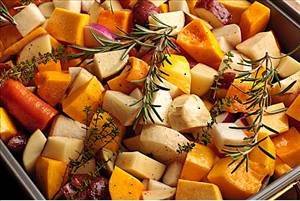
This Slow Roasted Root Vegetables is a PCOS-friendly recipe with 88 calories, 2.57g protein, and 20.14g carbs per serving. Ready in 102 minutes. High in fiber (5.3g), which supports insulin sensitivity.
Nutrition per Serving
Ingredients
Instructions
-
Preheat the oven to 315 °F (150 °C).
-
Peel the beets, turnips, carrots and parsnips.
-
Cut the beets, turnips, and potatoes into quarters. Then cut similarly sized pieces of carrot, parsnip and cauliflower.
-
Place all the veggies in a large roasting pan. season with salt and pepper. Add fresh herbs.
-
Roast at 315 °F covered in aluminum foil for 30 minutes. Stir vegetables
-
Cook another 30 minutes. Stir vegetables again.
-
Place back in the over, uncovered this time - checking every 10 minutes until done (should be fork tender).
-
Let cool and serve!
How This Recipe Supports PCOS Management
Understanding the nutritional profile of what you eat is a powerful step in managing PCOS. Here is how the key ingredients in this Slow Roasted Root Vegetables contribute to your health goals:
- Cauliflower: Contains compounds that help balance estrogen levels
- Carrot: Provide antioxidants that support overall metabolic health
PCOS Diet Principles in This Recipe
The PCOS diet focuses on three core principles: reducing inflammation, managing insulin resistance, and supporting hormonal balance. Every recipe in our collection is evaluated against these principles. As part of a balanced PCOS meal plan, we recommend pairing recipes like this with a variety of nutrient-dense foods throughout the week to ensure you are meeting all your micronutrient needs.
Meal Prep Tip: This Slow Roasted Root Vegetables can be prepared ahead and stored in an airtight container in the refrigerator for up to 3 days. Meal prepping is one of the most effective strategies for sticking to a PCOS-friendly diet, as it removes the temptation to reach for processed convenience foods when time is short.
Why this Slow Roasted Root Vegetables works for PCOS
The 20.14g of carbohydrates here come paired with 5.3g of fibre, which slows glucose absorption and produces a flatter post-meal blood sugar curve. Fibre is one of the most under-rated tools for PCOS: it feeds gut bacteria that produce short-chain fatty acids linked to improved insulin sensitivity, and it modestly lowers circulating androgens by binding bile acids in the gut.
At 83mg of sodium per serving, this Slow Roasted Root Vegetables fits comfortably within the 1500-2300mg daily target most cardiology and PCOS guidance agrees on. Lower-sodium meals are useful for women with PCOS who also experience bloating or who are managing blood pressure alongside metabolic concerns.
PCOS-Friendly Foods in This Recipe
This recipe contains the following foods that may benefit PCOS management: Cauliflower, Carrot.
Cauliflower is a PCOS superstar, mainly because of what it lets you swap out. It is a low glycemic, low carbohydrate vegetable, so using cauliflower rice in place of white rice or cauliflower mash in place of mashed potato dramatically lowers the blood sugar impact of a meal. Fewer refined carbs means less insulin, which directly helps insulin-resistant PCOS.Beyond the swap, cauliflower is a cruciferous vegetable rich in fiber, vitamin C, and compounds called glucosinolates. These compounds supp...
You Have a Recipe. But Do You Have a Full Week?
One great recipe is a start. A complete PCOS meal plan is a system. Here is how to go from one meal to a full week of eating that supports your hormones.
Free. Personalized. No signup required to start.
Frequently Asked Questions
Yes, this Slow Roasted Root Vegetables recipe is designed to be PCOS-friendly. At 88 calories per serving with 2.57g of protein, it supports balanced blood sugar and hormonal health. It also provides 5.3g of fiber, which helps with insulin sensitivity.
This recipe takes about 102 minutes total. Prep time is 12 minutes and cook time is 90 minutes. It makes 8 servings, so you can meal prep for multiple days.
Per serving: 88 calories, 2.57g protein (12%), 20.14g carbs, 0.37g fat. Plus 5.3g fiber. PCOS meal plans typically aim for 30% protein, 35% fat, 35% carbs to support insulin sensitivity.
Yes, this recipe works well as a PCOS-friendly Side Dish. At 88 calories, it fits within typical PCOS meal plan targets for Side Dish. Pair it with other PCOS-friendly foods throughout the day for balanced nutrition.
This recipe can be part of a structured PCOS meal plan. It makes 8 servings, making it great for meal prep. For a complete weekly plan tailored to your PCOS type, take our free 60-second quiz at pcosmealplanner.com/pcos-quiz to get a personalized 7-day meal plan.
Cook Another PCOS-Friendly Side Dish
Each recipe you add to your rotation makes PCOS management easier. Variety keeps you from getting bored and quitting.
Rate this recipe
Register or log in to rate this recipe