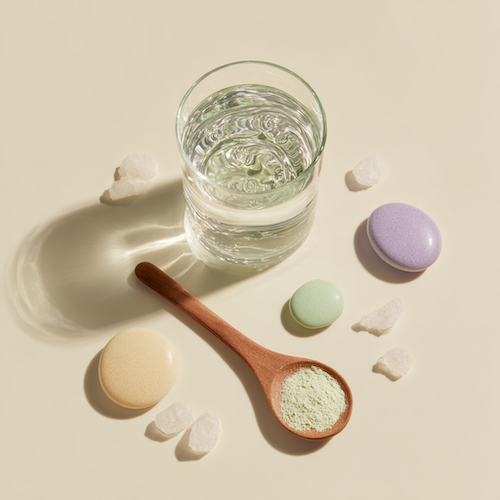
The short answer is yes - when used correctly, psyllium husk can be a valuable addition to your PCOS care strategy.
Psyllium husk is a soluble fiber derived from the seeds of Plantago ovata. For women with PCOS, fiber supplements like psyllium can help address common challenges including insulin resistance, digestive issues, and weight control.
Let's explore how this natural fiber can support your PCOS journey.
Understanding Psyllium Husk and Its Role in PCOS care
Psyllium husk works by absorbing water in your digestive tract, forming a gel-like substance that slows digestion. This simple mechanism creates several important benefits for women with PCOS.
The fiber helps regulate blood sugar levels by slowing the absorption of carbs, which is particularly important since up to 70% of women with PCOS have insulin resistance.
When you consume psyllium husk, it expands in your stomach, promoting feelings of fullness. This can naturally reduce calorie intake without leaving you feeling deprived - a common struggle when managing PCOS-related weight concerns.
Also, this natural fiber supports gut health by feeding helpful bacteria, which plays a crucial role in hormone regulation and inflammation control.
Key Benefits of Psyllium Husk for PCOS
Blood Sugar Regulation
Research shows that psyllium husk can greatly improve glycemic control. By forming a viscous gel in your intestines, it slows down the breakdown and absorption of sugars from your meals. This helps prevent the blood sugar spikes that can worsen insulin resistance in PCOS.
Studies indicate that taking psyllium before meals can reduce post-meal blood sugar levels by up to 20%.
Digestive Health Support
Many women with PCOS experience digestive issues, from bloating to irregular bowel movements. Psyllium husk acts as a gentle bulk-forming laxative, helping normalize bowel function without causing dependency.
This gut support is essential because a healthy digestive system influences everything from hormone metabolism to inflammation levels. Similar to how natto supports gut health through probiotics, psyllium promotes digestive wellness through fiber.
Cholesterol Management
Women with PCOS often face higher heart risk due to hormonal imbalances. Psyllium husk has been shown to lower LDL cholesterol levels by binding to cholesterol and bile acids in the intestines, helping remove them from the body.
This natural approach to heart health complements other PCOS care strategies.
Weight Control Support
The appetite-suppressing effects of psyllium can support weight loss efforts, which is often recommended for PCOS symptom improvement. By promoting satiety and reducing overall calorie intake, this fiber supplement can help you achieve and keep a healthy weight more comfortably.
Important Note: While psyllium husk offers many benefits, it should complement - not replace - a balanced diet rich in whole foods. Think of it as one tool in your PCOS care toolkit.
How to Use Psyllium Husk for PCOS
Start with a small dose of 3-5 grams once daily, gradually increasing to 10-15 grams per day divided into two or three doses. Always take psyllium with at least 8 ounces of water to prevent choking or intestinal blockage.
The best time to take psyllium for blood sugar benefits is 30 minutes before meals.
Mix psyllium powder into water, smoothies, or include it into recipes. Some women prefer psyllium capsules for convenience, though powder allows for more flexible dosing. Just like including high-fiber grains like freekeh into your diet, consistency is key when using psyllium husk.
Warning: Always drink plenty of water when taking psyllium husk. Inadequate fluid intake can cause choking, intestinal blockage, or severe constipation. Start slowly to allow your digestive system to adjust.
Combining Psyllium with Your PCOS Diet
Psyllium husk works best as part of a complete PCOS nutrition plan. While you're focusing on fiber supplements for PCOS, don't forget to include naturally high-fiber foods. Ancient grains like teff and amaranth provide fiber along with important minerals that support hormone health.
Consider pairing psyllium with meals that include lean proteins and healthy fats to maximize blood sugar stability. For instance, you might add psyllium powder to a smoothie made with ingredients from our collagen protein pancakes recipe for a balanced, PCOS-friendly breakfast.
Potential Side Effects and Considerations
While psyllium husk is generally safe, some women may experience first bloating, gas, or cramping as their digestive system adjusts. These symptoms often resolve within a few days. To minimize discomfort, start with a low dose and increase gradually over two to three weeks.
Psyllium can interfere with the absorption of certain medications, including some diabetes drugs, thyroid medications, and cholesterol-lowering statins. Always take psyllium at least one hour before or two to four hours after taking medications.
If you're on any prescription medications, consult your doctor before adding psyllium to your routine.
People with swallowing difficulties, esophageal narrowing, or intestinal obstruction should avoid psyllium.
If you have a history of allergic reactions to psyllium or experience difficulty breathing, chest tightness, or severe skin reactions after taking it, discontinue use right away and seek medical attention.
Research-Backed Evidence for Psyllium and PCOS
Clinical studies support the use of psyllium husk for conditions commonly linked to PCOS.
A meta-analysis published in the American Journal of Clinical Nutrition found that psyllium supplementation greatly reduced fasting blood glucose and hemoglobin A1c levels in people with type 2 diabetes - conditions that share metabolic features with PCOS.
Research also shows that soluble fiber intake is linked to improved insulin sensitivity, which is crucial for PCOS care.
While specific studies on psyllium and PCOS are limited, the mechanisms by which psyllium works - improving insulin sensitivity, reducing inflammation. Supporting gut health - directly address core PCOS pathophysiology.
Beyond Fiber: Holistic PCOS Support
While psyllium husk offers significant benefits, managing PCOS effectively requires a complete approach. Along with fiber supplements, consider including other supportive nutrients and foods.
Functional mushrooms like chaga and lion's mane can support overall health, while balanced snacks help keep steady blood sugar throughout the day.
Don't overlook the importance of hydration either. Coconut water can be a nutritious beverage choice, providing electrolytes along with natural hydration. Some women also find that regular physical activity like swimming enhances the benefits of dietary interventions.
For gut health specifically, consider fermented foods alongside your fiber intake. Try recipes like our hormone-balancing kimchi or gut support salad to nourish your microbiome naturally.
Making Psyllium Work for Your Lifestyle
Consistency matters more than perfection when using psyllium husk for PCOS. Find a routine that works for you - whether that's mixing it into your morning smoothie, taking capsules with lunch, or stirring powder into soup or yogurt.
Some women prefer rotating between different fiber sources to get varied benefits and prevent monotony.
Track how you feel when using psyllium. Note changes in digestion, appetite, energy levels, and PCOS symptoms over several weeks. This awareness helps you determine the optimal dose and timing for your individual needs.
Remember that everyone's body responds differently, and what works perfectly for one woman might need adjustment for another.
Pro Tip: Set a phone reminder to take your psyllium consistently. Like many supplements, the benefits accumulate over time with regular use rather than producing immediate dramatic results.
Conclusion: A Valuable Tool for PCOS care
So, is psyllium husk good for PCOS? The evidence strongly suggests yes. This natural fiber supplement addresses multiple aspects of PCOS pathophysiology - from insulin resistance to digestive health to heart risk factors.
When used correctly alongside a balanced diet and healthy lifestyle, psyllium husk can be a valuable addition to your PCOS care strategy.
Remember that supplements work best when they support a foundation of nutritious whole foods, regular physical activity, adequate sleep, and stress control. Psyllium husk isn't a magic solution, but it's a scientifically-supported tool that can make managing PCOS more achievable.
Start slowly, stay hydrated, and give your body time to adjust to the increased fiber intake.
Managing PCOS can feel overwhelming, but you don't have to figure it all out alone. PCOS Meal Planner is a personalized meal planning service that prioritizes well being by helping you eat better, feel better. Effectively manage PCOS symptoms in a friendly, trustworthy way.
We take the guesswork out of PCOS nutrition, so you can focus on living your life.
Research Methodology and Sources
This article is based on peer-reviewed scientific research and authoritative health sources. We've compiled evidence from clinical trials examining psyllium husk's effects on metabolic health, insulin sensitivity, and digestive function - all key factors in PCOS care.
Key research sources include studies published in the American Journal of Clinical Nutrition on psyllium's glycemic effects, clinical trials examining soluble fiber's impact on insulin resistance. Cardiovascular research from institutions like the National Institutes of Health.
We've also referenced guidelines from the Academy of Nutrition and Dietetics about fiber intake recommendations.
For details on PCOS pathophysiology and treatment approaches, we consulted resources from the National Institute of Child Health and Human Development (NICHD.gov) and the Office on Women's Health at the U.S. Department of Health and Human Services (WomensHealth.gov).
Nutritional data and supplement safety details comes from the National Center for Complementary and Integrative Health (NCCIH.gov) and the U.S. Food and Drug Administration (FDA.gov).
All claims about psyllium husk's effects are supported by multiple independent studies, and we've prioritized recent research while acknowledging where more PCOS-specific studies are needed.
Frequently Asked Questions About Psyllium Husk and PCOS
How much psyllium husk should I take daily for PCOS?
Start with 3-5 grams of psyllium husk once daily and gradually increase to 10-15 grams per day over two to three weeks. This allows your digestive system to adjust to the increased fiber intake.
Divide your total daily dose into two or three servings, ideally taken 30 minutes before meals for maximum blood sugar benefits. Always consume psyllium with at least 8 ounces of water per dose to prevent digestive issues.
If you're currently eating a low-fiber diet, the gradual increase is especially important to minimize bloating and gas.
Can psyllium husk help with PCOS weight loss?
Yes, psyllium husk can support weight loss efforts in women with PCOS through multiple mechanisms. The soluble fiber expands in your stomach, promoting feelings of fullness and reducing overall calorie intake naturally.
It also slows digestion, which helps stabilize blood sugar levels and reduce cravings. Studies show that increased soluble fiber intake is linked to reduced belly fat over time.
However, psyllium works best as part of a complete approach that includes balanced nutrition and regular physical activity. It's a helpful tool, not a standalone weight loss solution. Consistent use over several months often produces the best results.
What's the best time to take psyllium husk for PCOS?
For blood sugar management - a key concern in PCOS - take psyllium husk 30 minutes before your largest meals. This timing allows the fiber to form a gel in your stomach before food arrives, maximizing its ability to slow sugar absorption.
Many women find taking it before breakfast and dinner works well. If you're taking psyllium primarily for digestive regularity, consistency matters more than specific timing.
However, always take psyllium at least one hour before or two to four hours after medications, as it can interfere with drug absorption. Establish a routine that you can keep long-term, as consistent use produces better results than sporadic supplementation.
Are there any side effects of psyllium husk for women with PCOS?
Most women tolerate psyllium husk well, but some experience temporary side effects during the adjustment period. Common first effects include bloating, gas, and mild cramping, which often resolve within a few days as your gut bacteria adapt.
To minimize these effects, start with a low dose and increase gradually while drinking plenty of water. Rare but serious side effects include choking or intestinal blockage if taken without adequate fluid.
Allergic reactions to psyllium are uncommon but can occur, causing symptoms like difficulty breathing, hives, or swelling. If you have diabetes, track your blood sugar closely when starting psyllium, as it may enhance the effects of diabetes medications and require dosage adjustments.
Can I take psyllium husk with other PCOS supplements like inositol or berberine?
Yes, psyllium husk can generally be taken alongside other PCOS supplements like inositol, berberine, or N-acetylcysteine, but timing matters. Take psyllium at least one hour before or two hours after other supplements to prevent it from interfering with their absorption.
For example, if you take inositol with breakfast, take your psyllium 30 minutes before the meal or wait until mid-morning.
Many women successfully combine psyllium with other PCOS interventions, as they work through different mechanisms - psyllium primarily through digestive and metabolic effects. Supplements like inositol directly influence insulin signaling.
Always inform your doctor about all supplements you're taking to ensure there are no problematic interactions with your specific health situation.
Myths and Misconceptions About Psyllium Husk for PCOS
Myth: Psyllium husk will cure PCOS
Reality: Psyllium husk is a supportive tool, not a cure. PCOS is a complex hormonal condition that requires complete management including diet, lifestyle, and sometimes medication. Psyllium addresses specific symptoms like blood sugar imbalance and digestive issues, but it won't remove PCOS.
Tweet this: Psyllium husk supports PCOS care but isn't a cure. Real progress comes from complete lifestyle changes, not single supplements. app.pcosmealplanner.com
Myth: More fiber is always better
Reality: Excessive fiber intake can cause digestive distress, nutrient malabsorption, and intestinal blockage. More than 30-35 grams of total fiber daily (from all sources) can be counterproductive. Balance is key - aim for adequate but not excessive fiber intake.
Tweet this: Too much fiber can harm your gut health. For PCOS, aim for 25-30g daily from varied sources, not mega-doses of one supplement. app.pcosmealplanner.com
Myth: Psyllium husk will cause weight gain because it's a carb
Reality: While psyllium is technically a carb, it's non-digestible fiber that your body doesn't absorb for calories. Instead, it promotes fullness and supports weight control by reducing overall calorie intake. The soluble fiber actually helps with weight loss efforts, not weight gain.
Tweet this: Psyllium husk won't spike your blood sugar or cause weight gain. It's a zero-calorie fiber that actually supports weight control in PCOS. app.pcosmealplanner.com
Myth: You don't need to drink extra water with psyllium
Reality: This is dangerous misinformation. Psyllium absorbs many times its weight in water, and inadequate fluid intake can cause choking, esophageal obstruction, or severe constipation. Always consume at least 8 ounces of water with each dose, and increase your overall daily water intake.
Tweet this: Taking psyllium without enough water is dangerous and can cause intestinal blockage. Always drink at least 8oz water per dose. app.pcosmealplanner.com
Myth: All fiber supplements work the same way for PCOS
Reality: Different fibers have distinct properties. Psyllium is a soluble fiber that forms a gel and has strong evidence for blood sugar control. Insoluble fibers like wheat bran work differently, primarily adding bulk to stool.
For PCOS-specific benefits like improved insulin sensitivity, soluble fibers like psyllium are more effective than insoluble varieties.
Tweet this: Not all fiber is created equal for PCOS. Soluble fiber like psyllium offers unique blood sugar benefits that insoluble fiber doesn't provide. app.pcosmealplanner.com
Key Benefits of Psyllium Husk for PCOS: Complete Overview
Metabolic Benefits
- Improved Insulin Sensitivity: Slows carb absorption, reducing post-meal blood sugar spikes by up to 20% and supporting better insulin function over time
- Blood Sugar Stabilization: Creates a gel barrier in the digestive tract that moderates glucose release into the bloodstream, preventing the highs and lows that worsen PCOS symptoms
- Enhanced Glycemic Control: Regular use can improve hemoglobin A1c levels, a marker of long-term blood sugar management crucial for women with insulin-resistant PCOS
- Appetite Regulation: Promotes natural feelings of fullness that last longer, reducing cravings and supporting healthy weight control without restrictive dieting
Digestive Health Benefits
- Improved Bowel Regularity: Acts as a gentle bulk-forming laxative that normalizes bowel movements without causing dependency, unlike stimulant laxatives
- Reduced Bloating: Once your system adjusts, psyllium can actually reduce chronic bloating by promoting regular elimination and supporting healthy gut bacteria
- Gut Microbiome Support: Serves as a prebiotic food source for helpful bacteria, which influences hormone metabolism, inflammation levels, and overall PCOS symptoms
- Digestive Comfort: Soothes the digestive tract and can help manage symptoms of irritable bowel syndrome, which occurs more often in women with PCOS
Heart benefits
- Lower LDL Cholesterol: Binds to cholesterol and bile acids in the intestines, reducing total and LDL cholesterol levels by 5-10% with consistent use
- Reduced Heart risk: Addresses multiple heart disease risk factors that are high in PCOS, including high cholesterol, inflammation, and metabolic dysfunction
- Blood Pressure Support: Some studies suggest soluble fiber intake may contribute to modest reductions in blood pressure, another cardiovascular concern for women with PCOS
Weight Control Benefits
- Natural Calorie Reduction: Promotes satiety without adding significant calories, making it easier to keep a caloric deficit for weight loss
- Reduced Fat Absorption: May modestly reduce the absorption of dietary fat, though this effect is minor compared to its appetite-suppressing benefits
- Belly Fat Reduction: Studies link higher soluble fiber intake with reduced visceral adipose tissue, the dangerous belly fat common in PCOS
- Sustainable Weight Loss: Supports gradual, maintainable weight loss rather than dramatic drops that are difficult to sustain long-term
Hormonal Balance Benefits
- Indirect Hormone Support: By improving insulin sensitivity and supporting healthy gut bacteria, psyllium influences the hormonal environment in helpful ways
- Reduced Inflammation: Better gut health and blood sugar control lead to lower systemic inflammation, which directly impacts hormone production and PCOS symptoms
- Estrogen Metabolism: Healthy bowel movements help remove excess estrogen from the body, supporting better hormonal balance
Nutritional Profile: What's in Psyllium Husk
Understanding psyllium husk's nutritional composition helps explain why it's so helpful for PCOS. A typical serving of one tablespoon (about 10 grams) of psyllium husk powder contains about:
Macronutrients Per Serving (10g)
- Calories: 30-35 (minimal caloric impact)
- Total Carbs: 8-9 grams
- Dietary Fiber: 7-8 grams (nearly all of the carb content)
- Soluble Fiber: 6-7 grams (the active component for PCOS benefits)
- Protein: Less than 1 gram
- Fat: Less than 1 gram
- Sugar: 0 grams (no natural or added sugars)
Micronutrients and Other Components
Psyllium husk is not a significant source of vitamins or minerals. Its value lies entirely in its fiber content rather than micronutrient provision. It contains:
- Negligible vitamins and minerals: You shouldn't rely on psyllium for nutrient intake
- Zero cholesterol: Plant-based and naturally cholesterol-free
- Very low sodium: Unless you buy flavored varieties with added sodium
- No significant antioxidants: Unlike some other plant foods, psyllium's benefits are mechanical rather than nutritional
Why This Profile Matters for PCOS
The nearly zero net carb impact (total carbs minus fiber) means psyllium won't spike blood sugar despite being classified as a carb. The high soluble fiber content is what creates the gel formation that slows digestion and sugar absorption.
The minimal calorie content means you can use psyllium to promote fullness without adding significant energy to your diet.
The absence of protein and fat means psyllium should be combined with balanced meals rather than used as a meal replacement. For instance, adding psyllium to a protein-rich smoothie creates a more balanced, satisfying option than taking it alone.
This is why including it into recipes like protein pancakes or mixing it with meals that contain healthy fats and proteins optimizes its benefits.
How Psyllium Husk Impacts Hormones in PCOS
While psyllium husk doesn't contain hormones or directly alter hormone production, it influences hormonal balance through several important pathways that matter greatly for women with PCOS.
Insulin and Androgen Connection
The most significant hormonal impact of psyllium relates to insulin. In PCOS, excess insulin stimulates the ovaries to produce more androgens (male hormones like testosterone), which causes many classic PCOS symptoms including irregular periods, acne, and excess hair growth.
By improving insulin sensitivity and reducing post-meal insulin spikes, psyllium indirectly helps lower androgen levels over time.
This mechanism is powerful because it addresses a root cause rather than just treating symptoms. When insulin levels decrease, the ovaries receive fewer signals to produce excess androgens, allowing hormone levels to gradually normalize.
This process takes time - often several months of consistent use - but addresses the underlying hormonal imbalance rather than masking it.
Estrogen Metabolism and Elimination
Psyllium supports healthy estrogen levels through improved digestive function. Your body processes and eliminates used hormones through the digestive system, and fiber plays a crucial role in this elimination.
When bowel movements are regular and complete, excess estrogen is efficiently removed from the body rather than being reabsorbed.
This matters for PCOS because some women with the condition have estrogen dominance relative to progesterone, contributing to symptoms like heavy periods, mood swings. Weight gain in specific areas.
By binding to estrogen metabolites in the intestines and promoting their elimination, psyllium helps keep better hormonal balance.
Cortisol and Stress Response
Blood sugar instability triggers cortisol release, your body's primary stress hormone. When blood sugar drops rapidly after a spike, your body perceives this as a stressor and releases cortisol to help stabilize glucose levels.
Chronic cortisol elevation worsens insulin resistance and can worsen PCOS symptoms.
By preventing dramatic blood sugar swings, psyllium helps keep more stable cortisol patterns throughout the day. This contributes to better stress resilience, improved sleep, and reduced anxiety - all of which support overall hormone balance in PCOS.
Gut Microbiome and Hormone Regulation
Your gut bacteria play a surprising role in hormone metabolism. Certain bacterial species help break down and remove hormones, while others produce compounds that influence hormone signaling. An imbalanced gut microbiome (dysbiosis) is common in PCOS and contributes to hormonal dysfunction.
Psyllium acts as a prebiotic, feeding helpful bacteria and supporting a healthier, more diverse microbiome. Research shows that improved gut health correlates with better hormonal markers in PCOS, including reduced androgens and improved menstrual regularity.
While this connection is still being studied, the gut-hormone axis represents an important pathway through which fiber supports PCOS care.
Similar to how fermented foods like natto support gut health through probiotics, psyllium works through prebiotic mechanisms. Combining both approaches - prebiotics from fiber and probiotics from fermented foods - creates synergistic benefits for hormone health.
Inflammation and Hormone Disruption
Chronic low-grade inflammation is a hallmark of PCOS and disrupts normal hormone signaling. Inflammation interferes with insulin receptors, worsens insulin resistance, and directly stimulates androgen production by the ovaries.
By supporting gut health, promoting weight loss, and improving metabolic markers, psyllium helps reduce systemic inflammation.
Lower inflammation means hormones can function more normally. Insulin receptors become more responsive, the ovaries receive clearer hormonal signals, and the entire endocrine system operates more efficiently.
While psyllium isn't an anti-inflammatory supplement in the traditional sense, its metabolic and digestive benefits create an environment where inflammation naturally decreases.
It's important to understand that psyllium's hormonal benefits emerge gradually through improved metabolic health rather than through immediate hormonal changes. Think of it as creating better conditions for your hormones to balance naturally, rather than forcing rapid changes.
This slower, more sustainable approach to hormonal balance is often more effective long-term than interventions that create dramatic short-term shifts.
Interactive Element: Is Psyllium Husk Right for Your PCOS?
Quick Assessment Checklist
Answer these questions to determine if psyllium husk might benefit your specific PCOS presentation:
Check all that apply to you:
- ☐ I have insulin resistance or prediabetes diagnosed by my doctor
- ☐ I experience significant blood sugar crashes or energy dips after meals
- ☐ I struggle with constant hunger and cravings, especially for carbs
- ☐ I have irregular bowel movements or chronic constipation
- ☐ I need to lose weight but find it difficult to reduce portions
- ☐ My cholesterol levels are high (high LDL or total cholesterol)
- ☐ I currently eat less than 20 grams of fiber daily
- ☐ I experience frequent bloating that worsens with eating
- ☐ I have difficulty staying hydrated throughout the day
- ☐ I prefer natural supplements over pharmaceutical options when possible
Interpreting Your Results
If you checked 5 or more boxes:
Psyllium husk is likely an excellent addition to your PCOS care plan. You have multiple indicators that this fiber supplement could address. Start with a low dose and increase gradually while monitoring your response.
Consider tracking your symptoms weekly to measure improvements in blood sugar stability, appetite control, and digestive function.
If you checked 3-4 boxes:
Psyllium husk could provide moderate benefits for your PCOS. Focus on addressing the specific concerns you checked, particularly if they involve blood sugar or digestive issues. You might also benefit from increasing dietary fiber through whole foods alongside or instead of supplementation.
Try combining approaches - add more high-fiber foods like vegetables and low-glycemic fruits while experimenting with a modest psyllium dose.
If you checked 2 or fewer boxes:
Psyllium husk may not be a priority for you right now. Consider focusing on other PCOS care strategies that address your primary symptoms. If you don't struggle with blood sugar issues, constipation, or appetite control, dietary fiber from whole foods may be enough.
However, if you're looking to optimize all aspects of your health, there's no harm in trying psyllium - just keep expectations realistic about the benefits you'll notice.
Important Considerations:
- If you have difficulty swallowing or esophageal problems, psyllium may not be safe for you
- If you're taking multiple medications, especially for diabetes or thyroid conditions, consult your doctor about timing
- If you checked the hydration box, work on increasing water intake BEFORE starting psyllium to ensure safe use
- If you experience severe digestive issues, consider working with a gastroenterologist to rule out other conditions before adding fiber supplements
Your Personalized Action Plan
Based on common PCOS presentations, here's how to approach psyllium supplementation:
For Blood Sugar Focus: Take 5g psyllium 30 minutes before your two largest meals. Pair with balanced plates that include protein, healthy fats, and complex carbs. Track your energy levels and cravings over 2-4 weeks.
For Digestive Health: Start with 3g once daily, preferably in the morning. Increase water intake greatly. Give your gut 2-3 weeks to adjust before evaluating effectiveness. Consider adding probiotic-rich foods for complete gut support.
For Weight control: Take 5g psyllium 30 minutes before meals when you often experience the most hunger. Use it as a tool to support portion control, not as a meal replacement. Combine with regular physical activity and balanced nutrition for best results.
For Cholesterol Concerns: Work up to 10-15g daily divided into 2-3 doses. This higher amount has the strongest evidence for cholesterol reduction. Track cholesterol levels with your doctor every 3 months to track progress.
Next Steps: Implementing Psyllium Husk in Your PCOS Journey
This Week: Getting Started
- Buy plain, unflavored psyllium husk powder or capsules from a reputable brand (avoid products with added sugars or artificial ingredients)
- Start with 3-5 grams once daily, mixing powder thoroughly in at least 8 ounces of water and drinking right away
- Set a reminder on your phone to take psyllium consistently at the same time each day
- Increase your water intake by 2-3 additional glasses daily to support the fiber
- Keep a simple symptom journal noting digestion, energy levels, and appetite
Weeks 2-4: Adjusting and Optimizing
- Gradually increase your dose by 2-3 grams every few days until reaching your target dose (10-15g daily)
- Experiment with timing - try taking it before different meals to see when it provides the most benefit
- Notice patterns in your symptom journal - are you experiencing better blood sugar stability? Less bloating? Reduced cravings?
- If experiencing gas or bloating, slow down the dose increase and ensure you're drinking enough water
- Continue building other healthy habits - psyllium works best as part of a complete approach
Months 2-3: Evaluating Results
- Assess changes in PCOS symptoms, weight, energy levels, and digestive health
- If working with a doctor, schedule follow-up bloodwork to check metabolic markers
- Consider whether you need to adjust your dose, timing, or continue at current levels
- Explore combining psyllium with other helpful PCOS strategies for synergistic effects
- Share your experience with your PCOS community - what worked and what didn't
Long-Term Integration
- Make psyllium a consistent part of your routine, not something you start and stop
- Periodically reassess whether you still need supplementation or if dietary fiber intake is now enough
- Stay informed about new research on fiber and PCOS care
- Continue building a complete PCOS care plan that includes nutrition, movement, stress control, and community support
Additional Resources for Your Journey
Expand Your PCOS Nutrition Knowledge:
- Learn about other PCOS-friendly snacks that support blood sugar balance
- Discover which fruits are best for PCOS when combined with fiber
- Explore the benefits of whole grain options as natural fiber sources
- Understand how specific vegetables complement fiber supplementation
Try PCOS-Friendly Recipes:
- Start your day with insulin-balancing pancakes that pair well with psyllium
- Add fiber-rich toppings to gut-supporting salads
- Experiment with fiber-rich whole grains in your meals
- Create balanced meals using hormone-supporting ingredients
Complementary PCOS Strategies:
- Consider healthy cooking fats that support hormone health
- Explore natural sweetener options that won't spike blood sugar
- Learn about alternative dairy options if you're mixing psyllium in beverages
- Discover hormone-supporting vegetables to include in your meals
Join the PCOS Meal Planner Community
Managing PCOS can feel overwhelming, especially when trying to figure out which supplements, foods, and strategies actually work for your unique body. You don't have to navigate this journey alone.
Why Women with PCOS Choose PCOS Meal Planner
PCOS Meal Planner is a personalized meal planning service that prioritizes well being by helping you eat better, feel better. Effectively manage PCOS symptoms in a friendly, trustworthy way.
We take the science-backed strategies you've learned about - like including adequate fiber, balancing blood sugar. Supporting gut health - and turn them into practical, delicious meal plans customized for your preferences and lifestyle.
What You Get with PCOS Meal Planner:
- Personalized Meal Plans: Every plan is tailored to your specific PCOS type, dietary preferences, cooking skill level, and health goals
- Blood Sugar Balancing: Meals designed to prevent insulin spikes and crashes, naturally supporting the benefits you get from supplements like psyllium
- Simple, Delicious Recipes: No complicated ingredients or hours in the kitchen - just real food that actually tastes good
- Flexible Options: Accommodate food allergies, preferences, and budget constraints without sacrificing nutrition quality
- Evidence-Based Nutrition: Every recommendation is backed by scientific research on PCOS care
- Ongoing Support: Access to resources, recipes, and guidance as your needs change
Stop Guessing, Start Living
Imagine waking up without deciding what to eat, knowing your meals are already planned to support your hormones, energy, and long-term health. Picture having stable energy throughout the day instead of battling cravings and crashes.
Think about how it would feel to see your PCOS symptoms gradually improve because you're consistently nourishing your body the right way.
That's what our community experiences every day. Women just like you who were tired of conflicting nutrition advice, restrictive diets that didn't work. The constant mental load of figuring out what to eat with PCOS.
You've learned how psyllium husk can support your PCOS journey. Now take the next step and discover how personalized nutrition can amplify these benefits and transform your daily experience with PCOS.
Share Your Journey
Have you tried psyllium husk for PCOS? We'd love to hear about your experience! Share your story with others in the PCOS community who are considering this supplement.
Your insights about what worked, what challenges you faced, and what benefits you noticed could help another woman make informed decisions about her health.
Managing PCOS is a journey, not a destination. Every small step you take toward better health matters - whether that's adding a fiber supplement, trying a new recipe, or joining a supportive community that understands what you're going through.
You're already taking positive steps by educating yourself. Keep going - you're worth the effort.
Community Comments
Add a comment