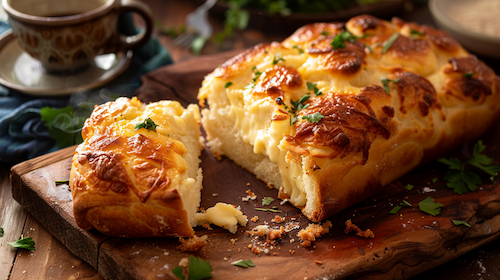
This PCOS-Friendly Pan de Bono (Colombian Cheese Bread) is a PCOS-friendly recipe with 195 calories, 9g protein, and 16g carbs per serving. Ready in 33 minutes. High in fiber (2g), which supports insulin sensitivity.
Nutrition per Serving
Grocery List
- Cassava flour (also called yuca flour or manioc flour)
- Almond flour (blanched, finely ground)
- Baking powder (aluminum-free)
- Sea salt
- Eggs
- Queso fresco (Latin American fresh cheese) or feta cheese
- Mozzarella cheese (low-moisture, part-skim, shredded)
- Plain Greek yogurt (full-fat)
- Olive oil or ghee
- Unsweetened almond milk
Glycemic Index Information
This PCOS-friendly pan de bono recipe offers improved glycemic control compared to traditional versions. Cassava flour has a moderate glycemic index of approximately 55-60, which is lower than wheat flour (GI 70-75) but higher than almond flour. The addition of almond flour, protein from eggs and cheese, and fat from yogurt and olive oil significantly reduces the overall glycemic load of this recipe. The protein content (9 grams per serving) further slows carbohydrate absorption, preventing rapid blood sugar spikes. Traditional pan de bono made with only cassava starch and cheese has a higher glycemic impact and less protein. This modified version maintains authentic Colombian flavor while better supporting insulin sensitivity and hormone balance in women with PCOS.
About Cassava Flour
Cassava flour comes from the whole cassava root (yuca), making it different from tapioca starch which is extracted from cassava. While tapioca starch can substitute in this recipe, the texture will be slightly different and more elastic. Cassava flour is naturally grain-free, nut-free, and paleo-friendly, making it accessible for those with multiple food sensitivities. Look for cassava flour in the gluten-free baking section or Latin American markets.
Storage and Reheating
Pan de bono is best enjoyed warm from the oven when the cheese is still gooey and the exterior is slightly crispy. Store cooled pan de bono in an airtight container at room temperature for up to 24 hours, or refrigerate for up to 3 days. The texture becomes denser when cold. To reheat, place in a 350°F (175°C) oven for 5-7 minutes, or microwave for 20-30 seconds. For longer storage, freeze unbaked dough balls on a baking sheet, then transfer to a freezer bag for up to 2 months. Bake from frozen, adding 3-5 minutes to the baking time.
Ingredients
Instructions
-
Step-by-Step Instructions
-
Preheat your oven: Preheat the oven to 400°F (200°C). Line a baking sheet with parchment paper or a silicone baking mat. This prevents sticking and ensures even baking.
-
Prepare the dry ingredients: In a large mixing bowl, whisk together the cassava flour, almond flour, baking powder, and sea salt until well combined and no lumps remain.
-
Combine the wet ingredients: In a separate medium bowl, beat the egg lightly. Add the Greek yogurt and olive oil, whisking until smooth and incorporated.
-
Add the cheese: Add the crumbled queso fresco and shredded mozzarella to the wet ingredients. Mix gently to distribute the cheese throughout the mixture.
-
Form the dough: Pour the wet mixture into the dry ingredients. Using your hands or a sturdy spatula, mix until a thick, slightly sticky dough forms. The dough should hold together but remain pliable. If too dry, add almond milk one tablespoon at a time. If too wet, add a small amount of cassava flour.
-
Knead briefly: Turn the dough onto a clean surface and knead gently for 30-60 seconds until smooth. The warmth of your hands helps bring the dough together. Do not over-knead.
-
Shape the rolls: Divide the dough into 8 equal portions (about 2 tablespoons each). Roll each portion between your palms to form smooth balls. Traditional pan de bono has a round shape with a slightly flattened bottom.
-
Arrange on baking sheet: Place the dough balls on the prepared baking sheet, spacing them about 2 inches (5cm) apart. They will expand slightly during baking but do not spread much.
-
Bake until golden: Bake for 15-18 minutes until the tops are golden brown and the rolls have puffed up. They should feel firm when gently pressed. The bottoms should be lightly browned.
-
Cool slightly before serving: Remove from the oven and let cool on the baking sheet for 3-5 minutes. The interior will be chewy and slightly gooey when warm, which is traditional. Serve warm for best texture and flavor.
-
Storage: Store leftover pan de bono in an airtight container at room temperature for 1 day, or refrigerate for up to 3 days. Reheat in a 350°F (175°C) oven for 5-7 minutes to restore the chewy texture.
-
Pro Tip: For extra flavor, add 0.25 teaspoon of garlic powder or a pinch of cayenne pepper to the dough. Some Colombian variations include a small amount of grated fresh cheese mixed in for pockets of melted cheese throughout.
Why This PCOS-Friendly Pan de Bono Supports Hormone Balance
Pan de bono is a beloved Colombian cheese bread traditionally enjoyed for breakfast or as a snack throughout the day. The classic recipe uses cassava starch (tapioca flour), cheese, and eggs to create irresistibly chewy, cheese-filled rolls that are naturally gluten-free.
While the authentic version offers certain benefits for PCOS management, this modified recipe enhances those benefits by incorporating protein-rich ingredients and reducing the overall glycemic impact.
This PCOS-friendly version maintains the authentic flavor and satisfying texture Colombian families love while better supporting blood sugar stability and hormone balance.
By combining cassava flour with almond flour, increasing the protein content through Greek yogurt and strategic cheese selection, and optimizing portion sizes, you can enjoy this cultural treasure while managing PCOS symptoms effectively.
Key Nutritional Benefits for PCOS Management
Moderate Glycemic Impact with Protein Balance
Cassava flour has a moderate glycemic index (55-60), which is better than wheat flour but requires strategic pairing with protein and fat to optimize blood sugar response.
This recipe provides 9 grams of protein per serving from eggs, cheese, and Greek yogurt, which significantly slows carbohydrate absorption and prevents insulin spikes.
The combination creates a more gradual blood sugar rise compared to traditional pan de bono or wheat-based breads, supporting insulin sensitivity over time. For women with PCOS, this balanced macronutrient profile helps manage the insulin resistance that drives many symptoms.
High-Quality Protein for Satiety and Metabolism
The combination of eggs, queso fresco, mozzarella, and Greek yogurt provides complete protein with all essential amino acids. Protein increases satiety hormones like GLP-1 and peptide YY, helping you feel satisfied for hours after eating. This reduces cravings and supports stable energy levels.
Adequate protein intake improves insulin sensitivity, supports lean muscle mass, and aids in the production of hormones including thyroid hormones and sex hormones. The 9 grams of protein per serving represents about 15-20% of protein needs for a typical snack or small meal.
Calcium for Metabolic and Reproductive Health
This recipe provides approximately 185mg of calcium per serving (about 18% of daily needs) from the cheese and Greek yogurt. Calcium plays important roles in PCOS management.
Research shows that adequate calcium intake improves insulin sensitivity and may help regulate menstrual cycles in women with PCOS. Calcium also supports bone health, which is important as women with PCOS have increased risk of bone density issues, particularly when vitamin D levels are low.
The combination of calcium with vitamin D (from eggs and fortified dairy) enhances absorption.
Healthy Fats for Hormone Production
The 11 grams of fat per serving come primarily from cheese, eggs, Greek yogurt, and olive oil. These fats include both saturated and monounsaturated fats, which are necessary for producing steroid hormones including estrogen, progesterone, and testosterone.
While saturated fat has been controversial, moderate amounts from whole food sources like cheese and eggs do not negatively impact cholesterol in most people and are essential for hormone health. The monounsaturated fats from olive oil and almond flour provide anti-inflammatory benefits.
Naturally Gluten-Free for Those with Sensitivities
Cassava flour is naturally grain-free and gluten-free, making this recipe suitable for women with gluten sensitivity or celiac disease. Some research suggests that gluten may increase inflammation in susceptible individuals, and many women with PCOS report feeling better when reducing gluten intake.
While not everyone with PCOS needs to avoid gluten, this recipe provides an option for those who benefit from gluten-free eating without sacrificing satisfaction or cultural food connections.
Gut Health Support from Fermented Dairy
Greek yogurt and aged cheeses contain beneficial bacteria and are easier to digest than fluid milk. These probiotics support a healthy gut microbiome, which influences insulin sensitivity, inflammation, and even hormone metabolism.
A balanced gut microbiome helps the body process and eliminate excess hormones, reducing the burden on the liver and supporting overall hormone balance.
Potential Concerns and Modifications
Moderate Carbohydrate Content
With 16 grams of net carbohydrates per serving (4 pieces), this recipe contains more carbs than very low-carb alternatives but fewer than traditional bread or pan de bono made with only cassava starch.
For women following a very low-carb or ketogenic approach to PCOS management, this may be higher than desired. However, when paired with adequate protein and eaten as part of a balanced meal or substantial snack, these carbohydrates fit within most moderate-carb PCOS eating plans.
Consider your individual carbohydrate tolerance and timing when including this recipe.
Dairy Sensitivity Considerations
This recipe contains multiple dairy products (cheese and yogurt), which some women with PCOS find inflammatory. Dairy affects individuals differently based on lactose intolerance, casein sensitivity, or hormonal response to dairy proteins.
If you suspect dairy worsens your PCOS symptoms, this recipe may not be suitable. However, the fermented and aged dairy products in this recipe (Greek yogurt, queso fresco) are often better tolerated than fluid milk because they contain less lactose and their proteins are partially broken down.
Cassava Flour Considerations
Cassava is a starchy root vegetable that provides primarily carbohydrates with minimal protein or micronutrients. While lower glycemic than wheat, it does impact blood sugar and should be consumed in appropriate portions.
Raw cassava contains compounds that can be harmful, but commercially processed cassava flour is completely safe. Always purchase cassava flour from reputable sources that properly process the root to remove these compounds.
Sodium Content
With 285mg of sodium per serving, this recipe provides moderate sodium from the cheese and salt. Most of this comes from the queso fresco and mozzarella. If you are managing blood pressure or need to limit sodium, choose low-sodium cheese varieties or reduce the added salt slightly.
For most women with PCOS who do not have hypertension, this sodium level is reasonable within a whole-foods-based diet.
Calorie Density
At 195 calories per serving (4 pieces), this is a moderately calorie-dense snack. The calories come from nutrient-dense sources (protein, healthy fats) rather than empty carbohydrates, making them more satisfying and metabolically beneficial.
Still, portion awareness matters for women working on weight management. Enjoy pan de bono as a planned snack or part of a meal rather than mindless eating throughout the day.
How to Incorporate Pan de Bono into a PCOS-Friendly Diet
Pan de bono works beautifully as a protein-rich snack between meals or as part of a balanced breakfast or lunch. Pair 4 pieces with sliced avocado, a handful of cherry tomatoes, and a small serving of scrambled eggs for a complete Colombian-inspired breakfast.
Alternatively, enjoy pan de bono alongside a hearty vegetable soup or salad with grilled chicken for lunch.
For blood sugar management, avoid eating pan de bono alone or on an empty stomach. The moderate carbohydrate content benefits from being consumed with additional protein, vegetables, or healthy fats to further reduce glycemic impact.
A serving of pan de bono with a hard-boiled egg and cucumber slices makes a satisfying afternoon snack that prevents energy crashes.
Time your consumption strategically. Carbohydrate tolerance is often better earlier in the day when insulin sensitivity tends to be higher. Enjoying pan de bono for breakfast or lunch rather than as an evening snack may better support blood sugar management for some women with PCOS.
Cultural Significance and Food Connection
Food carries cultural identity, family memories, and emotional significance. Pan de bono represents Colombian heritage and family traditions for many women. Managing PCOS should not require abandoning cultural foods that provide comfort and connection.
This recipe demonstrates that traditional foods can be modified to better support health while maintaining authentic flavors and the social experiences around shared meals.
When you can enjoy culturally significant foods while managing PCOS, you reduce feelings of deprivation and increase long-term dietary adherence. Food restriction that ignores cultural context often fails because it disconnects women from their heritage and community.
This PCOS-friendly pan de bono allows you to honor both your health needs and your cultural identity.
Research Methodology and Nutritional Science
This recipe is designed based on current nutritional research regarding PCOS management, insulin resistance, and balanced macronutrient intake.
Evidence supports moderate-carbohydrate approaches that include adequate protein and healthy fats for improving insulin sensitivity and hormonal balance in women with PCOS.
The National Institute of Diabetes and Digestive and Kidney Diseases provides comprehensive information on insulin resistance and dietary approaches to improve glucose metabolism.
Information on PCOS and nutrition comes from the National Institute of Child Health and Human Development, which conducts research on Polycystic Ovary Syndrome and evidence-based management strategies.
Nutritional data is based on USDA FoodData Central and verified through multiple nutritional databases. Glycemic index information comes from the University of Sydney Glycemic Index Database and published research on cassava flour and starchy vegetables.
The Office of Dietary Supplements provides evidence-based information on calcium, B vitamins, and other micronutrients found in cheese, eggs, and yogurt.
Frequently Asked Questions
Can I use tapioca starch instead of cassava flour in this pan de bono recipe?
Yes, you can substitute tapioca starch for cassava flour, though the texture will be different. Tapioca starch creates a more elastic, chewy texture similar to traditional pan de bono, while cassava flour produces a slightly denser result with more substance.
If using tapioca starch, you may need to reduce the liquid slightly (start with 1-2 tablespoons of almond milk instead of 2-3) as tapioca absorbs less moisture than cassava flour. The nutritional profile remains similar, though cassava flour contains slightly more fiber than tapioca starch.
Both options work well for PCOS-friendly baking and are naturally gluten-free. Experiment to find your preferred texture. Some bakers use a combination of half cassava flour and half tapioca starch for a texture between the two.
Is pan de bono a good choice for women with PCOS trying to lose weight?
Pan de bono can fit into a weight management plan for PCOS when consumed in appropriate portions and as part of balanced meals. At 195 calories per serving with 9 grams of protein, it provides good satiety relative to its calorie content.
The protein and fat help you feel satisfied, reducing the likelihood of overeating later. However, it is not a very low-calorie food, so portion control matters. One serving (4 pieces) as a snack with vegetables or as part of a meal works well for most women managing weight with PCOS.
The key is ensuring that pan de bono fits within your overall daily calorie and carbohydrate targets.
The moderate carbohydrate content may be higher than very low-carb approaches some women use for weight loss, but the protein content and moderate glycemic impact make it a reasonable option compared to traditional baked goods.
Track how you feel after eating it and whether it supports your satiety and energy levels.
Can I make this recipe dairy-free for PCOS?
Making truly authentic pan de bono without dairy is challenging because cheese is the defining ingredient that creates the signature flavor and texture. However, you can experiment with dairy-free alternatives.
Replace the queso fresco with crumbled firm tofu mixed with nutritional yeast and a pinch of salt for a cheese-like flavor. Use dairy-free shredded mozzarella (made from cashews or other nuts) in place of regular mozzarella.
Replace Greek yogurt with unsweetened coconut yogurt (thick varieties work best). The texture and flavor will differ from traditional pan de bono, but you can create a similar concept.
Keep in mind that removing dairy eliminates some of the calcium and probiotic benefits discussed in this article, so ensure you are getting these nutrients from other sources in your diet.
For women who find dairy inflammatory for their PCOS, making these substitutions may be worthwhile despite the textural differences.
How does this pan de bono compare to traditional Colombian pan de bono for blood sugar?
Traditional Colombian pan de bono is made primarily with tapioca starch and cheese, creating a very high-carbohydrate, moderate-protein bread. A typical traditional pan de bono contains 25-30 grams of carbohydrates and 5-7 grams of protein per similar serving size.
This PCOS-friendly version contains only 16 grams of carbohydrates and 9 grams of protein, representing a significant improvement in the carbohydrate-to-protein ratio that better supports blood sugar stability.
The addition of almond flour reduces the glycemic load while adding beneficial fats, vitamin E, and magnesium. The increased protein from Greek yogurt further slows carbohydrate absorption.
For women with insulin resistance, this modified recipe produces a more gradual blood sugar rise and sustained energy compared to traditional versions.
However, it still contains moderate carbohydrates and should be enjoyed in appropriate portions as part of a balanced PCOS eating plan rather than in unlimited quantities.
What is the best time of day to eat pan de bono for PCOS management?
Carbohydrate tolerance varies throughout the day due to cortisol rhythms and insulin sensitivity patterns. Most women experience better insulin sensitivity in the morning and early afternoon compared to evening.
For optimal blood sugar management with PCOS, consider enjoying pan de bono for breakfast or lunch rather than as an evening snack or late dinner.
Morning consumption allows your body more time to process the carbohydrates while insulin sensitivity is higher, and provides sustained energy for your active day. If you exercise, eating pan de bono 1-2 hours before physical activity can provide good fuel that your muscles will utilize efficiently.
Some women find that including moderate carbohydrates earlier in the day while keeping evening meals lower in carbs supports better fasting blood sugar levels the next morning.
However, individual responses vary, so pay attention to how you feel and monitor your blood sugar response if possible to determine the best timing for your body.
Myths and Misconceptions About Cassava Flour and PCOS
Myth: Cassava flour is a superfood that helps cure PCOS
Truth: Cassava flour is simply a gluten-free starch alternative with a moderate glycemic index. It offers no special PCOS-healing properties but can fit into a balanced PCOS diet when combined with protein and used in appropriate portions.
Cassava flour is not a PCOS superfood. It is a moderate-carb alternative best paired with protein and healthy fats. Learn more
Myth: All gluten-free foods are automatically better for PCOS
Truth: Many gluten-free products use high-glycemic flours and added sugars that worsen insulin resistance. Being gluten-free does not automatically make a food PCOS-friendly. Focus on the overall nutritional profile, not just the gluten-free label.
Gluten-free does not equal PCOS-friendly. Check the complete nutritional profile, not just the label. What to look for
Myth: You should never eat cheese if you have PCOS
Truth: Cheese provides high-quality protein, calcium, and healthy fats that support hormone production. While some women find dairy inflammatory, many tolerate aged and fermented cheeses well. Individual response varies.
Cheese is not universally bad for PCOS. Quality cheese provides protein and calcium many women tolerate well. Full story
Myth: Cassava flour is the same as tapioca flour
Truth: Cassava flour is made from the whole root while tapioca is extracted starch. Cassava flour contains more fiber and nutrients. Both come from the cassava plant but have different textures and nutritional profiles.
Cassava flour and tapioca are different products from the same plant with distinct nutritional profiles. Understanding the difference
Myth: Traditional ethnic foods cannot fit into PCOS management
Truth: Cultural foods can be modified to better support PCOS while maintaining authentic flavors and emotional connections. You do not have to abandon your heritage to manage your health.
PCOS management can honor cultural food traditions through thoughtful recipe modifications. See how
Myth: Snacking is bad for PCOS and you should only eat three meals
Truth: Strategic snacking with balanced macronutrients can help maintain stable blood sugar and prevent overeating at meals. Protein-rich snacks like pan de bono support insulin sensitivity better than going too long between meals.
Strategic protein-rich snacks support blood sugar stability in PCOS better than prolonged fasting between meals. Smart snacking guide
Complete Benefits of This PCOS-Friendly Pan de Bono
Metabolic Benefits
- Improved insulin response: Protein and fat slow carbohydrate absorption, reducing insulin spikes
- Sustained energy: Balanced macronutrients prevent energy crashes and support stable blood sugar
- Enhanced satiety: High protein content keeps you feeling full and reduces cravings
- Better body composition: Adequate protein supports lean muscle maintenance during weight management
Hormonal Benefits
- Hormone building blocks: Healthy fats and protein provide raw materials for hormone synthesis
- Reduced androgen production: Better insulin sensitivity decreases ovarian testosterone production
- Thyroid support: Adequate protein and calories support healthy thyroid function
- Bone health: Calcium and protein support bone density, important as PCOS increases fracture risk
Nutritional Benefits
- Complete protein: All essential amino acids from eggs and cheese for tissue repair
- Calcium rich: Supports metabolic health, bone density, and potentially menstrual regularity
- B vitamins: Support energy metabolism and hormone breakdown
- Vitamin D: From eggs, supports insulin sensitivity and immune function
- Probiotic support: Fermented dairy benefits gut health and hormone metabolism
Practical Benefits
- Quick preparation: Ready in under 35 minutes from start to finish
- Portable snack: Easy to pack for work, travel, or busy days
- Batch-friendly: Make ahead and freeze for convenient future snacks
- Family-friendly: Delicious for everyone, not just those managing PCOS
- Naturally gluten-free: Suitable for those with celiac disease or gluten sensitivity
Cultural and Emotional Benefits
- Cultural connection: Maintain connection to Colombian heritage and family traditions
- Food freedom: Enjoy beloved foods without guilt or symptom flares
- Social inclusion: Participate in cultural gatherings without feeling restricted
- Reduced deprivation: Avoid the psychological stress of eliminating favorite foods
- Empowerment: Take control of health while honoring cultural identity
Interactive Pan de Bono Success Checklist
Use this checklist to ensure perfect PCOS-friendly pan de bono every time and maximize the health benefits.
Before You Start
- I have all ingredients measured and at room temperature
- I am using cassava flour (or tapioca starch), not cassava meal
- My oven is fully preheated to 400°F (200°C)
- I have parchment paper or a silicone mat ready
- My cheese is crumbled and shredded, ready to mix
During Preparation
- I thoroughly mixed the dry ingredients before adding wet
- I achieved a thick, slightly sticky dough that holds together
- I kneaded the dough gently for 30-60 seconds only
- I divided the dough into 8 equal portions for consistent sizing
- I rolled the dough balls smooth with warm hands
During Baking
- I spaced the dough balls 2 inches apart on the baking sheet
- I baked for the full 15-18 minutes until golden brown
- I checked that the tops were firm when gently pressed
- I let them cool for 3-5 minutes before eating
Serving for PCOS Management
- I am eating a reasonable portion (4 pieces or one serving)
- I am pairing this with vegetables or additional protein if using as a meal
- I am eating earlier in the day when insulin sensitivity is higher
- I am drinking plenty of water with my snack
- I am eating mindfully and noticing fullness cues
After Eating
- I stored leftover pan de bono properly for future enjoyment
- I noticed how I felt 1-2 hours later (energy, cravings, satisfaction)
- I compared this to how refined carb snacks make me feel
- I am proud of honoring both my health and cultural heritage
Troubleshooting Tips: Dough too dry? Add almond milk one tablespoon at a time. Dough too wet? Add more cassava flour. Pan de bono spreading too much? The dough was too wet or the oven was not hot enough. Pan de bono too dense? You may have over-kneaded the dough or the oven temperature was too low.
Your Next Steps to PCOS-Friendly Colombian Cooking
This Week
1. Make pan de bono: Set aside 35 minutes this weekend to try this recipe. Start with the full batch to get comfortable with the technique.
2. Plan strategic snacking: Identify times during your week when you need satisfying snacks. Pre-portion pan de bono for grab-and-go convenience.
3. Source quality ingredients: Purchase cassava flour from a Latin American market or online. Stock up on queso fresco for authentic flavor.
This Month
4. Experiment with variations: Try adding herbs like cilantro or spices like cumin. Test using different cheese combinations to find your favorite.
5. Batch cook and freeze: Make a double batch and freeze unbaked dough balls. Bake fresh whenever you want warm pan de bono in minutes.
6. Share with family: Introduce loved ones to this PCOS-friendly version. Build support for your health goals by sharing delicious food.
Long-Term Success
7. Build a collection of cultural PCOS recipes: Use this pan de bono as inspiration to modify other beloved traditional foods to better support your health.
8. Track your response: Notice how your body responds to this moderate-carb snack. Does it support stable energy? How long does satiety last? Use this information to refine your eating pattern.
9. Explore personalized meal planning: PCOS Meal Planner is a personalized meal planning service that prioritizes well being by helping you eat better, feel better, and effectively manage PCOS symptoms in a friendly, trustworthy way.
Get recipes that honor your cultural preferences while supporting hormone balance.
Remember: Managing PCOS does not require abandoning the foods that connect you to your culture and family. With thoughtful modifications, you can honor your heritage while supporting your health. This pan de bono represents the best of both worlds.
Join Our PCOS Meal Planning Community
Share Your Pan de Bono Experience
We would love to hear how this PCOS-friendly pan de bono recipe worked for you. Did you notice stable energy compared to traditional versions? How did the texture compare to Colombian pan de bono you know? What did you pair it with?
Share with the community:
- How did your first batch turn out?
- Did you use cassava flour or tapioca starch, and how was the texture?
- How did you feel 1-2 hours after eating compared to other snacks?
- What creative variations did you try?
- Did this recipe help you feel more connected to your cultural heritage?
Connect and Learn
Join thousands of women managing PCOS through strategic nutrition that honors cultural identity. Share recipes, exchange tips about modifying traditional foods, and find support from others who understand the intersection of health management and cultural connection.
Whether you are Colombian, married into a Colombian family, or simply love Latin American cuisine, our community welcomes everyone interested in making PCOS-friendly versions of beloved cultural foods.
Ready for more culturally diverse PCOS-friendly recipes? Get personalized meal plans that incorporate your food preferences and cultural traditions while supporting hormone balance and insulin sensitivity.
Your cultural heritage and your health both matter. You should never have to choose between them. Every recipe you modify to better support your PCOS while maintaining authentic flavors is a victory worth celebrating.
Why this PCOS-Friendly Pan de Bono (Colombian Cheese Bread) works for PCOS
At 16g of carbohydrates per serving, this PCOS-Friendly Pan de Bono (Colombian Cheese Bread) is on the lower-carb end, which suits women with PCOS who have confirmed insulin resistance or who notice strong post-meal energy crashes. Pair lower-carb meals like this with a generous portion of non-starchy vegetables to keep fibre intake up.
A PCOS-friendly snack like this PCOS-Friendly Pan de Bono (Colombian Cheese Bread) should include protein or fat, not carbohydrates alone. Carb-only snacks (fruit, crackers, granola bars) spike blood sugar then crash it within 60-90 minutes, leaving you hungrier and more reactive to whatever comes next.
At 285mg of sodium per serving, this PCOS-Friendly Pan de Bono (Colombian Cheese Bread) fits comfortably within the 1500-2300mg daily target most cardiology and PCOS guidance agrees on. Lower-sodium meals are useful for women with PCOS who also experience bloating or who are managing blood pressure alongside metabolic concerns.
You Have a Recipe. But Do You Have a Full Week?
One great recipe is a start. A complete PCOS meal plan is a system. Here is how to go from one meal to a full week of eating that supports your hormones.
Free. Personalized. No signup required to start.
Frequently Asked Questions
Yes, this PCOS-Friendly Pan de Bono (Colombian Cheese Bread) recipe is designed to be PCOS-friendly. At 195 calories per serving with 9g of protein, it supports balanced blood sugar and hormonal health. It also provides 2g of fiber, which helps with insulin sensitivity.
This recipe takes about 33 minutes total. Prep time is 15 minutes and cook time is 18 minutes. It makes 2 servings, so you can meal prep for multiple days.
Per serving: 195 calories, 9g protein (18%), 16g carbs, 11g fat. Plus 2g fiber. PCOS meal plans typically aim for 30% protein, 35% fat, 35% carbs to support insulin sensitivity.
Yes, this recipe works well as a PCOS-friendly Snack. At 195 calories, it fits within typical PCOS meal plan targets for Snack. Pair it with other PCOS-friendly foods throughout the day for balanced nutrition.
This recipe can be part of a structured PCOS meal plan. It makes 2 servings, making it great for meal prep. For a complete weekly plan tailored to your PCOS type, take our free 60-second quiz at pcosmealplanner.com/pcos-quiz to get a personalized 7-day meal plan.
Cook Another PCOS-Friendly Snack
Each recipe you add to your rotation makes PCOS management easier. Variety keeps you from getting bored and quitting.
Rate this recipe
Register or log in to rate this recipe