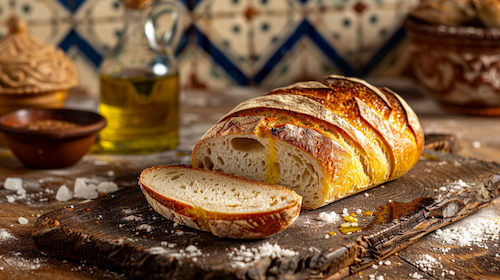
This PCOS-Friendly Pão Alentejano (Portuguese Country Bread) is a PCOS-friendly recipe with 220 calories, 10g protein, and 18g carbs per serving. Ready in 75 minutes. High in fiber (7g), which supports insulin sensitivity.
Nutrition per Serving
Grocery List
- Almond flour (blanched, finely ground)
- Coconut flour
- Golden flaxseed meal (ground flax)
- Psyllium husk powder
- Baking soda
- Sea salt
- Eggs
- Extra virgin olive oil
- Plain Greek yogurt (full-fat)
- Apple cider vinegar
- Honey (optional)
- Sesame seeds (optional, for topping)
Glycemic Index Information
This PCOS-friendly pão alentejano offers exceptional glycemic control compared to traditional Portuguese bread. Traditional pão alentejano is made with refined wheat flour and has a glycemic index of 70-75, causing rapid blood sugar elevation. This version uses almond flour (GI near 0), coconut flour (GI 35-45), and flaxseed meal (GI less than 35), creating a bread with minimal glycemic impact. With only 18 grams of net carbohydrates per serving compared to 40-45 grams in traditional versions, this recipe reduces carbohydrate load by approximately 60%. The 10 grams of protein from eggs and Greek yogurt, combined with 13 grams of healthy fats from olive oil, almond flour, and flaxseeds, further slows any blood sugar rise. The exceptional fiber content (7 grams per serving) from psyllium husk, flaxseed, and coconut flour dramatically reduces the glycemic load and supports sustained energy without insulin spikes.
About Pão Alentejano
Pão alentejano is a traditional Portuguese country bread from the Alentejo region, known for its dense, hearty crumb and distinctive flavor. Authentic pão alentejano uses a mix of wheat flours, olive oil, and sometimes a small amount of corn flour, with minimal yeast for a tight crumb structure. The bread is designed to stay fresh for days and pairs perfectly with Portuguese soups, olive oil for dipping, cheese, and cured meats. This PCOS-friendly version honors the dense texture and olive oil richness while dramatically improving the nutritional profile for hormone balance and blood sugar management.
Storage and Serving
Store this bread wrapped in a clean kitchen towel at room temperature for 2-3 days, or refrigerate for up to 1 week. The bread slices best when completely cool. Toast slices lightly for improved texture and to bring out the nutty flavors. Serve with olive oil for dipping, use for sandwiches, toast with avocado and eggs, or pair with Portuguese soups like caldo verde. The bread freezes excellently for up to 3 months. Slice before freezing so you can remove individual portions. Thaw at room temperature or toast from frozen.
Ingredients
Instructions
-
Step-by-Step Instructions
-
Preheat and prepare: Preheat your oven to 350°F (175°C). Line a loaf pan (8x4 inch or 20x10cm) with parchment paper, leaving overhang on the sides for easy removal. Alternatively, grease the pan well with olive oil.
-
Mix the dry ingredients: In a large mixing bowl, whisk together the almond flour, coconut flour, flaxseed meal, psyllium husk powder, baking soda, and sea salt until thoroughly combined with no lumps. Breaking up clumps ensures even texture.
-
Prepare the wet ingredients: In a separate medium bowl, whisk together the eggs, olive oil, Greek yogurt, apple cider vinegar, warm water, and honey (if using) until smooth and well emulsified. The vinegar reacts with baking soda to create lift.
-
Combine wet and dry: Pour the wet mixture into the dry ingredients. Using a sturdy spatula or wooden spoon, mix vigorously for 30-60 seconds until a thick, sticky dough forms. The psyllium husk will begin absorbing liquid immediately.
-
Let the dough rest: Allow the dough to rest in the bowl for 5 minutes. This resting period is crucial as the psyllium husk and coconut flour need time to fully absorb the moisture. The dough will thicken considerably and become easier to handle.
-
Shape the loaf: Transfer the dough to your prepared loaf pan. Using wet hands or a spatula, smooth the top of the dough into an even dome shape, mimicking traditional Portuguese bread. The dough will be thick and sticky, which is correct.
-
Add traditional scoring: Using a sharp knife dipped in water, make 2-3 diagonal slashes across the top of the loaf, about 0.25 inch (6mm) deep. This is characteristic of pão alentejano and allows the bread to expand evenly.
-
Optional topping: Brush the top lightly with water or olive oil and sprinkle with sesame seeds if desired. This adds visual appeal and a subtle nutty flavor.
-
Bake the bread: Place the loaf pan on the middle rack of the preheated oven. Bake for 50-60 minutes until the top is golden brown and a toothpick inserted into the center comes out clean. The internal temperature should reach 200-205°F (93-96°C).
-
Check for doneness: The bread should sound hollow when tapped on the bottom. If the top browns too quickly before the inside is done, tent loosely with aluminum foil for the last 15 minutes of baking.
-
Cool completely: Remove the bread from the oven and let it cool in the pan for 10 minutes. Then lift it out using the parchment paper overhang and transfer to a wire rack. Allow to cool completely before slicing, at least 1 hour. This cooling time allows the structure to set properly.
-
Slice and serve: Using a sharp serrated knife, slice the bread into 8 even pieces. The texture will be dense and hearty, similar to traditional Portuguese country bread but with a slightly different crumb due to the alternative flours.
-
Pro Tip: Traditional pão alentejano develops deeper flavor when allowed to rest. This PCOS-friendly version also benefits from resting. The flavor improves after several hours or overnight, making it perfect for advance preparation.
Why This PCOS-Friendly Pão Alentejano Supports Hormone Balance
Pão alentejano represents the heart of Portuguese culinary tradition, particularly in the rural Alentejo region where bread is the foundation of nearly every meal.
This dense, substantial bread is designed to sustain farmers and laborers through long work days, with a texture and flavor that pairs beautifully with the olive oil, cheese, cured meats, and hearty soups characteristic of Portuguese cuisine.
The traditional recipe relies on wheat flour, which creates challenges for women managing PCOS due to refined carbohydrates and high glycemic impact.
This PCOS-friendly version reimagines pão alentejano using nutrient-dense flours that dramatically reduce the glycemic load while maintaining the hearty, substantial texture that makes this bread so satisfying.
By incorporating almond flour, flaxseed meal, and authentic Portuguese olive oil, this recipe creates a bread that supports insulin sensitivity and hormone balance while honoring Portuguese culinary heritage.
Key Nutritional Benefits for PCOS Management
Exceptional Low-Glycemic Profile
Traditional pão alentejano contains 40-45 grams of rapidly-digesting carbohydrates per serving with minimal fiber or protein, causing significant blood sugar and insulin spikes. This PCOS-friendly version contains only 18 grams of net carbohydrates, representing a 60% reduction in glycemic load.
The combination of almond flour, coconut flour, and flaxseed creates a bread with negligible impact on blood sugar. When you add the 10 grams of protein and 13 grams of healthy fats per serving, the blood sugar response becomes virtually flat.
For women with insulin resistance, this difference is transformative, allowing enjoyment of bread without triggering the hormonal cascade that worsens PCOS symptoms.
Omega-3 Rich from Flaxseed
The inclusion of golden flaxseed meal provides approximately 0.4 grams of omega-3 fatty acids (ALA) per serving. Omega-3 fatty acids are anti-inflammatory and particularly beneficial for women with PCOS who experience chronic low-grade inflammation.
Studies show that omega-3 supplementation improves insulin sensitivity, reduces testosterone levels, and may improve menstrual regularity in women with PCOS. Flaxseed also contains lignans, plant compounds with weak estrogenic activity that may help balance hormones.
The omega-3 content in this bread contributes to the overall anti-inflammatory dietary pattern recommended for PCOS management.
High Protein for Satiety and Metabolism
With 10 grams of protein per serving, this bread provides substantially more protein than traditional pão alentejano (3-4 grams). The protein comes primarily from eggs and almond flour, offering complete amino acid profiles necessary for hormone production, tissue repair, and metabolic function.
Adequate protein increases satiety, reduces cravings, stabilizes blood sugar, and supports lean muscle mass. The protein-to-carbohydrate ratio in this recipe (approximately 1:1.8) is ideal for PCOS management, compared to traditional bread with ratios of 1:10 or higher.
Mediterranean Diet Alignment
This recipe embraces the Mediterranean dietary pattern, which research consistently shows benefits women with PCOS. The use of extra virgin olive oil provides monounsaturated fats and polyphenols that reduce inflammation and improve insulin sensitivity.
The Mediterranean diet emphasizes whole foods, healthy fats, moderate protein, and controlled carbohydrates, the exact combination that supports hormone balance in PCOS.
This bread fits seamlessly into Mediterranean eating patterns while providing better blood sugar control than traditional wheat breads.
Exceptional Fiber Content
Each serving provides 7 grams of fiber, primarily from psyllium husk, flaxseed meal, and coconut flour. Traditional pão alentejano contains only 1-2 grams of fiber per serving. Fiber slows carbohydrate absorption, preventing blood sugar spikes and improving insulin sensitivity over time.
Soluble fiber from psyllium specifically helps lower cholesterol and improve glycemic control. Fiber also feeds beneficial gut bacteria, supports regular elimination of excess hormones, and increases satiety.
The high fiber content makes this bread far more filling than traditional versions despite similar or fewer calories.
Rich in Vitamin E and Magnesium
Almond flour provides significant amounts of vitamin E, a powerful antioxidant that reduces oxidative stress associated with PCOS. Vitamin E supports reproductive health, reduces inflammation, and may improve insulin sensitivity.
The magnesium content (approximately 52mg per serving) supports glucose metabolism, insulin function, and stress management. Women with PCOS often have inadequate magnesium intake, and increasing dietary magnesium improves metabolic and hormonal outcomes.
Potential Concerns and Modifications
Dense Texture Differs from Wheat Bread
This PCOS-friendly bread has a denser, more compact crumb than wheat-based bread because it lacks gluten. While traditional pão alentejano is also quite dense compared to other breads, this version is even more substantial.
Some people love the hearty texture, while others need time to adjust expectations. Toasting improves the texture and brings out nutty flavors. The density also means the bread is very filling, so smaller portions satisfy compared to wheat bread.
Calorie Density Requires Portion Awareness
At 220 calories per serving (one slice), this bread is more calorie-dense than traditional bread due to almond flour and olive oil. However, these are nutrient-dense calories providing superior satiety and metabolic benefits.
The high protein, fiber, and healthy fat content means one slice keeps you satisfied for hours. For weight management, enjoy appropriate portions (1-2 slices) as part of balanced meals rather than eating unlimited amounts.
The superior nutrition and satiety make these calories metabolically beneficial.
Omega-6 Considerations
Almond flour contains primarily omega-6 fatty acids, which require balance with omega-3 intake to avoid promoting inflammation. The flaxseed in this recipe provides some omega-3s to improve the ratio.
Ensure your overall diet includes omega-3-rich foods like fatty fish, walnuts, and chia seeds to maintain a healthy omega-6 to omega-3 ratio of 4:1 or better.
Not Suitable for Nut Allergies
This recipe depends heavily on almond flour and cannot easily be made nut-free while maintaining similar nutritional benefits and texture. Sunflower seed flour sometimes substitutes for almond flour but has different properties and may turn green due to a reaction with baking soda.
For true nut allergies, this recipe is not appropriate.
Cooling Time Required
Low-carb breads require complete cooling before slicing to achieve proper texture. Cutting while warm results in gummy, dense slices. Plan ahead and allow at least one hour cooling time, or make the bread the day before serving.
The improved flavor after resting overnight makes advance preparation worthwhile.
How to Serve PCOS-Friendly Pão Alentejano
This bread shines in traditional Portuguese contexts while supporting blood sugar balance. Serve toasted slices drizzled with high-quality extra virgin olive oil and a sprinkle of flaky sea salt for a simple breakfast or appetizer.
Use as the base for Portuguese-style toast with tomato and olive oil. Pair with Portuguese soups like caldo verde (kale and sausage soup) or açorda (bread soup, though you would use this bread instead of traditional wheat bread).
The bread makes excellent sandwiches filled with Portuguese cheese, cured meats, roasted peppers, and arugula. Toast slices and top with scrambled eggs, smoked salmon, or avocado for protein-rich breakfasts.
The neutral flavor profile also works beautifully with Mediterranean spreads like hummus, baba ganoush, or tapenade.
For optimal PCOS management, pair this bread with adequate protein and vegetables rather than eating it alone.
One slice alongside eggs and vegetables for breakfast, or two slices as part of a sandwich with protein and salad for lunch, creates balanced meals that support stable blood sugar throughout the day.
Cultural Connection and Food Heritage
Bread holds profound cultural significance in Portuguese cuisine, with each region having distinctive bread traditions. Pão alentejano specifically represents the resourcefulness and simplicity of rural Portuguese cooking, where quality ingredients and time create deeply satisfying food.
For people of Portuguese heritage, bread connects to family memories, celebrations, and daily rituals.
Adapting traditional foods for health needs honors both heritage and wellbeing. This PCOS-friendly pão alentejano demonstrates that managing blood sugar and hormones does not require abandoning cultural identity.
Through thoughtful ingredient selection and respect for traditional techniques, you can maintain connection to Portuguese culinary traditions while supporting your health goals.
Research Methodology and Nutritional Science
This recipe is designed based on current research regarding PCOS management, Mediterranean dietary patterns, and low-glycemic eating approaches.
Evidence consistently demonstrates that reducing refined carbohydrates while emphasizing healthy fats, adequate protein, and abundant fiber improves insulin sensitivity and hormonal outcomes in women with PCOS.
The National Institute of Diabetes and Digestive and Kidney Diseases provides comprehensive information on insulin resistance and evidence-based dietary interventions.
Information on PCOS and nutrition comes from the National Institute of Child Health and Human Development, which conducts research on Polycystic Ovary Syndrome and effective management strategies.
Research on Mediterranean dietary patterns and their benefits for metabolic health is available through the National Heart, Lung, and Blood Institute.
The Office of Dietary Supplements provides evidence-based information on magnesium, vitamin E, and omega-3 fatty acids found in this recipe and their roles in women's health.
Frequently Asked Questions
Why does my PCOS-friendly bread need to cool completely before slicing?
Breads made with almond flour, coconut flour, and psyllium husk need complete cooling for the structure to set properly. While warm, the interior remains moist and somewhat gummy.
As the bread cools, the starches and proteins firm up, the moisture redistributes evenly, and the crumb structure solidifies. Slicing while warm results in compressed, dense, gummy slices that do not represent the bread's true texture.
Allow at least one hour of cooling time, or preferably cool completely and slice the next day for optimal texture. The flavor also improves after resting, as it does with traditional pão alentejano.
Think of this cooling time as part of the recipe rather than optional, and your patience will be rewarded with much better texture and easier slicing.
Can I make this Portuguese bread without eggs for a vegan version?
Eggs play crucial structural and binding roles in this recipe, making vegan substitution challenging but not impossible.
You can try replacing the 3 eggs with 3 flax eggs (3 tablespoons ground flaxseed mixed with 9 tablespoons water, let sit 5 minutes) plus an additional 2 tablespoons psyllium husk powder to compensate for lost binding. You may also need to increase the baking time by 5-10 minutes.
The texture will be denser and the bread may not rise as much, but it should still work. Alternatively, use aquafaba (liquid from canned chickpeas) - replace each egg with 3 tablespoons aquafaba, though this provides less protein.
Keep in mind that eggs contribute significant protein that supports PCOS management, so if making vegan, ensure adequate protein from other sources in your meals. The Greek yogurt would also need replacing with unsweetened plant-based yogurt for a fully vegan version.
How does this bread compare to traditional pão alentejano for PCOS management?
The difference in metabolic impact is substantial. Traditional pão alentejano contains 40-45 grams of refined carbohydrates per slice with minimal fiber (1-2g) and protein (3-4g), creating a high-glycemic food that rapidly elevates blood sugar and insulin.
This PCOS-friendly version contains only 18 grams of net carbohydrates with 7 grams of fiber and 10 grams of protein, representing a completely different macronutrient profile.
The glycemic load reduction is approximately 60-70%, meaning dramatically less insulin demand and much more stable blood sugar. The high protein and healthy fat content provides satiety for 3-4 hours, while traditional bread leaves you hungry within an hour or two.
The omega-3 fatty acids from flaxseed provide anti-inflammatory benefits absent in wheat bread. For women with insulin resistance, this version allows bread enjoyment without triggering symptom flares, weight gain, or hormonal disruption that wheat versions cause.
Can I reduce the olive oil to lower calories in this recipe?
While you can reduce olive oil somewhat, it serves important functions beyond flavor. The olive oil provides moisture in a recipe using highly absorbent flours, contributes to the bread's tender crumb, and delivers the monounsaturated fats characteristic of Mediterranean baking.
More importantly for PCOS, the fat dramatically slows carbohydrate absorption and prevents blood sugar spikes. Removing fat to reduce calories would actually worsen the metabolic impact despite fewer calories. The current recipe balances calories with superior satiety and blood sugar control.
If calorie reduction is your goal, eat a smaller portion (one slice instead of two) while keeping the recipe as written, rather than compromising the fat content that makes the bread PCOS-friendly.
Remember that nutrient-dense calories from healthy fats support hormone production and provide lasting energy, making them metabolically superior to lower-calorie, higher-carb alternatives.
Will this bread work for making traditional Portuguese dishes like açorda?
This bread can work for adapted versions of traditional Portuguese bread-based dishes, though with some differences. For açorda (bread soup), this PCOS-friendly bread will not break down and become creamy like wheat bread because it lacks gluten and has much more fiber.
Instead, it will soften while maintaining more structure, creating a heartier, more rustic texture. Use slightly stale bread (1-2 days old) and add it to hot broth gradually, allowing time to absorb liquid. The result will be different from traditional açorda but still delicious and satisfying.
For migas (breadcrumbs fried with garlic), this bread works well when you toast it first, crumble it, and sauté with olive oil and seasonings. For traditional bread-based dishes, adjust your expectations regarding texture while appreciating the superior blood sugar impact.
Some Portuguese dishes adapt better than others, but experimentation often yields delicious results that honor tradition while supporting health.
Myths and Misconceptions About Portuguese Bread and PCOS
Myth: All Mediterranean bread is healthy for PCOS because it is part of the Mediterranean diet
Truth: While the Mediterranean diet is beneficial, traditional bread made with refined wheat flour causes blood sugar spikes. The diet's benefits come from olive oil, fish, vegetables, and moderate portions, not unlimited bread consumption.
Mediterranean diet benefits do not come from unlimited bread. Modified versions using low-glycemic flours work better for PCOS. Learn more
Myth: Olive oil in bread makes it automatically good for PCOS
Truth: While olive oil provides beneficial fats, bread made with refined flour and olive oil still has high glycemic impact. Both the flour type and fat content matter for blood sugar control.
Olive oil alone does not make bread PCOS-friendly. The flour type determines glycemic impact. What really matters
Myth: Dense bread is always healthier than light, fluffy bread
Truth: Density does not indicate healthfulness. Dense wheat bread and light wheat bread have similar glycemic impacts. What matters is the flour type, not the texture. This PCOS-friendly bread is dense because of low-carb flours, not because density itself is superior.
Bread density does not determine healthfulness for PCOS. Flour type matters most for blood sugar impact. Get the facts
Myth: You cannot maintain Portuguese food traditions while managing PCOS
Truth: Portuguese cuisine can be adapted to support PCOS through ingredient substitutions while maintaining authentic flavors. Heritage and health can coexist with thoughtful modifications.
Portuguese culinary traditions and PCOS management are compatible through thoughtful recipe adaptation. See how
Myth: Bread should be eliminated completely when managing PCOS
Truth: While refined bread is problematic, bread made with low-glycemic flours, adequate protein, and healthy fats can fit into PCOS meal plans. Complete elimination is unnecessary when better alternatives exist.
PCOS management does not require bread elimination when low-glycemic alternatives provide satisfaction without blood sugar spikes. Try this
Myth: Homemade bread is too difficult and time-consuming
Truth: This PCOS-friendly bread requires only 20 minutes of hands-on time. The baking and cooling happen without intervention. The simplicity makes it practical for regular preparation.
PCOS-friendly Portuguese bread takes just 20 minutes of active work. Simple enough for weekly baking. Get started
Complete Benefits of This PCOS-Friendly Pão Alentejano
Metabolic Benefits
- Minimal blood sugar elevation: Low-glycemic flours prevent insulin spikes
- Improved insulin sensitivity: High fiber and protein support glucose metabolism
- Sustained energy: Balanced macronutrients prevent crashes for 3-4 hours
- Reduced inflammation: Omega-3s and olive oil lower inflammatory markers
- Better weight management: High satiety reduces overall calorie intake
Hormonal Benefits
- Lower androgen production: Improved insulin function reduces ovarian testosterone
- Hormone building blocks: Healthy fats provide raw materials for steroid hormones
- Reduced oxidative stress: Vitamin E and antioxidants protect cells
- Better gut health: Fiber supports microbiome diversity and hormone metabolism
- Improved nutrient absorption: Healthy fats enhance absorption of fat-soluble vitamins
Nutritional Benefits
- Complete protein: Eggs provide all essential amino acids
- Rich in omega-3s: Flaxseed delivers anti-inflammatory fatty acids
- High vitamin E: Powerful antioxidant supporting reproductive health
- Excellent magnesium source: Supports insulin sensitivity and stress management
- Exceptional fiber: 7 grams per slice supports digestion and satiety
Practical Benefits
- Simple preparation: Only 20 minutes hands-on time
- Long storage life: Keeps well for days, freezes for months
- Versatile usage: Works for toast, sandwiches, or alongside meals
- Family-friendly: Everyone enjoys hearty, flavorful bread
- Batch-friendly: Make multiple loaves and freeze for convenience
Cultural and Emotional Benefits
- Cultural continuity: Maintain connection to Portuguese heritage
- Food freedom: Enjoy bread without guilt or health consequences
- Mediterranean alignment: Fits authentic Mediterranean dietary pattern
- Reduced deprivation: Avoid psychological stress of food elimination
- Empowerment: Take control through informed choices
Interactive Bread-Making Success Checklist
Use this checklist to ensure perfect PCOS-friendly pão alentejano with optimal texture and health benefits.
Before You Start
- I have all ingredients measured and at room temperature
- I am using finely ground blanched almond flour
- My loaf pan is lined with parchment paper or well-greased
- My oven is fully preheated to 350°F (175°C)
- I have planned for at least 1 hour cooling time
During Preparation
- I whisked dry ingredients thoroughly to remove lumps
- I mixed wet ingredients until smooth and emulsified
- I mixed the dough vigorously for 30-60 seconds
- I let the dough rest for 5 minutes before transferring to pan
- I shaped the top into a smooth dome
- I scored the top with 2-3 diagonal slashes
During Baking
- I baked for 50-60 minutes until golden brown
- I checked that a toothpick comes out clean
- The bread sounds hollow when tapped on bottom
- I tented with foil if top browned too quickly
After Baking
- I cooled the bread in the pan for 10 minutes
- I transferred to a wire rack for complete cooling
- I allowed at least 1 hour cooling before slicing
- I used a sharp serrated knife for clean slices
Serving for PCOS Management
- I am eating appropriate portion (1-2 slices)
- I am pairing with protein and vegetables
- I toasted the bread for improved texture
- I am staying hydrated with water
- I stored remaining bread properly
Troubleshooting: Bread too dense? Ensure psyllium husk had time to absorb moisture. Bread crumbly? May need slightly more liquid next time. Top cracked excessively? Normal for low-carb bread. Bread gummy inside? Not baked long enough or sliced before completely cool.
Your Next Steps to PCOS-Friendly Portuguese Cooking
This Week
1. Bake pão alentejano: Set aside 75 minutes (20 active, 55 baking) to make this bread. Remember to allow cooling time.
2. Plan Portuguese meals: Use this bread with Portuguese soups, olive oil for dipping, or Portuguese-style breakfast with eggs and tomatoes.
3. Stock Mediterranean staples: Ensure you have high-quality extra virgin olive oil, Portuguese cheese, and cured meats to pair with your bread.
This Month
4. Perfect your technique: Make this bread 2-3 times to become comfortable with the process and adjust to your preferences.
5. Batch bake and freeze: Make multiple loaves and freeze sliced for grab-and-go convenience throughout the month.
6. Explore variations: Try adding herbs like rosemary or oregano, or seeds like sunflower for different flavor profiles.
Long-Term Success
7. Build your recipe collection: Use this bread as foundation to explore other PCOS-friendly Portuguese recipes and Mediterranean approaches.
8. Share with family: Introduce loved ones to this version so everyone can enjoy Portuguese meals together without you feeling restricted.
9. Explore personalized meal planning: PCOS Meal Planner is a personalized meal planning service that prioritizes well being by helping you eat better, feel better, and effectively manage PCOS symptoms in a friendly, trustworthy way.
Remember: Portuguese culinary heritage and PCOS management are not mutually exclusive. This bread represents the best of both worlds, honoring tradition while supporting your health.
Join Our PCOS Meal Planning Community
Share Your Pão Alentejano Experience
We would love to hear how this PCOS-friendly Portuguese bread worked for you. Did it satisfy your cravings for traditional bread? How did your blood sugar respond? What did you serve it with?
Share with the community:
- How did your bread turn out?
- What Portuguese dishes did you pair it with?
- How did you feel after eating compared to wheat bread?
- Did this help you maintain connection to Portuguese culture?
- What tips would you share with others trying this recipe?
Connect and Learn
Join thousands of women managing PCOS through nutrition that honors cultural identity. Share recipes, exchange tips about traditional food modifications, and find support from others who understand.
Ready for more Mediterranean PCOS-friendly recipes? Get personalized meal plans incorporating Portuguese and Mediterranean traditions while supporting hormone balance.
Your heritage and health both deserve celebration. Every recipe you adapt brings you closer to sustainable PCOS management that feels like home.
Why this PCOS-Friendly Pão Alentejano (Portuguese Country Bread) works for PCOS
The 18g of carbohydrates here come paired with 7g of fibre, which slows glucose absorption and produces a flatter post-meal blood sugar curve. Fibre is one of the most under-rated tools for PCOS: it feeds gut bacteria that produce short-chain fatty acids linked to improved insulin sensitivity, and it modestly lowers circulating androgens by binding bile acids in the gut.
Eating a substantial breakfast like this PCOS-Friendly Pão Alentejano (Portuguese Country Bread) is one of the highest-leverage moves you can make for PCOS. In the Jakubowicz et al. 2013 trial published in Clinical Science, women with PCOS who front-loaded calories to breakfast reduced fasting insulin by 56% and increased ovulation rates 50%, with no change in total calories. Front-loading works because insulin sensitivity is highest in the morning and lowest at night.
At 380mg of sodium per serving, this PCOS-Friendly Pão Alentejano (Portuguese Country Bread) fits comfortably within the 1500-2300mg daily target most cardiology and PCOS guidance agrees on. Lower-sodium meals are useful for women with PCOS who also experience bloating or who are managing blood pressure alongside metabolic concerns.
You Have a Recipe. But Do You Have a Full Week?
One great recipe is a start. A complete PCOS meal plan is a system. Here is how to go from one meal to a full week of eating that supports your hormones.
Free. Personalized. No signup required to start.
Frequently Asked Questions
Yes, this PCOS-Friendly Pão Alentejano (Portuguese Country Bread) recipe is designed to be PCOS-friendly. At 220 calories per serving with 10g of protein, it supports balanced blood sugar and hormonal health. It also provides 7g of fiber, which helps with insulin sensitivity.
This recipe takes about 75 minutes total. Prep time is 20 minutes and cook time is 55 minutes. It makes 2 servings, so you can meal prep for multiple days.
Per serving: 220 calories, 10g protein (18%), 18g carbs, 13g fat. Plus 7g fiber. PCOS meal plans typically aim for 30% protein, 35% fat, 35% carbs to support insulin sensitivity.
Yes, this recipe works well as a PCOS-friendly Breakfast. At 220 calories, it fits within typical PCOS meal plan targets for Breakfast. Pair it with other PCOS-friendly foods throughout the day for balanced nutrition.
This recipe can be part of a structured PCOS meal plan. It makes 2 servings, making it great for meal prep. For a complete weekly plan tailored to your PCOS type, take our free 60-second quiz at pcosmealplanner.com/pcos-quiz to get a personalized 7-day meal plan.
Cook Another PCOS-Friendly Breakfast
Each recipe you add to your rotation makes PCOS management easier. Variety keeps you from getting bored and quitting.
Comments
Register or log in to add a comment