What Are Nightshade Vegetables?
ghtshades belong to the Solanaceae family and include common staples like:- Tomatoes
- Eggplants
- White potatoes
- Bell peppers and chili peppers
- Goji berries
These foods are rich in nutrients, but they also contain compounds such as alkaloids, which can cause sensitivity in some people.
PCOS and Inflammation: Are Nightshades a Trigger?
PCOS inflammation nightshades is a growing concern, especially for women with heightened inflammatory markers. Alkaloids found in nightshades may worsen inflammation in some people, especially if they have autoimmune conditions or leaky gut.
However, research directly connecting nightshades to worsened PCOS symptoms is limited.
Potential Benefits of Nightshade Vegetables for PCOS
- Rich in antioxidants like vitamin C, lycopene, and anthocyanins
- High fiber content for improved blood sugar control
- Contain potassium which helps regulate blood pressure
These factors can support hormonal balance and metabolic health.
When to Be Cautious with Nightshades
Some women with PCOS may experience:
- Joint pain
- Digestive discomfort
- Skin flare-ups like acne or eczema
If you notice symptoms worsening after eating nightshades, try a 2-week elimination and reintroduction strategy.
Hormonal Impact of Nightshades in PCOS
While nightshades aren’t directly linked to testosterone or insulin spikes, systemic inflammation can worsen hormone imbalances. It's why balancing nutrient intake with symptom observation is key.
Checklist: Should You Avoid Nightshades for PCOS?
- ✅ Do you have inflammatory bowel symptoms?
- ✅ Do you feel worse after eating tomatoes or eggplant?
- ✅ Have you tested positive for food sensitivities?
If you answered yes to 2 or more, nightshades may not be your friend—for now.
How to Eat Nightshades Wisely with PCOS
- Cook them thoroughly to reduce alkaloid content
- Pair with anti-inflammatory fats like olive oil or avocado
- Rotate with non-nightshade options (e.g., zucchini, sweet potato)
Try this recipe: Tallow Roasted Saw Palmetto Vegetables for a PCOS-friendly alternative.
Research Methodology
Our analysis is based on peer-reviewed research and expert opinion from sources such as the National Institutes of Health and dietary studies on inflammatory markers and autoimmune responses to nightshades.
FAQs
Are nightshades bad for PCOS?
Not necessarily. While some women may react poorly due to inflammation, many tolerate them well.
Can I still eat tomatoes if I have PCOS?
Yes, especially if cooked. Track how you feel after eating and consider variety.
Do nightshades affect insulin levels?
They’re generally low in glycemic load, but if they cause inflammation, that may indirectly impact insulin resistance.
How do I know if nightshades are causing my symptoms?
Try eliminating them for two weeks, then reintroduce one at a time while tracking symptoms.
Are sweet potatoes a good nightshade alternative?
Yes—sweet potatoes are non-nightshade, rich in fiber and PCOS-friendly.
Common Myths About Nightshades and PCOS
- Myth: All women with PCOS must avoid nightshades.
- Fact: Most can tolerate them unless there’s a sensitivity.
- Myth: Nightshades cause acne in everyone.
- Fact: There’s no universal link—track your response.
Next Actions
- Take our "Nightshade Sensitivity & PCOS" quiz (coming soon!)
- Explore anti-inflammatory swaps in our PCOS BBQ guide
- Bookmark our AIP Diet Guide for PCOS
Join the PCOS Community
How do you feel after eating nightshades? Share your experience in our Facebook group or tag us @PCOSMealPlanner on social!
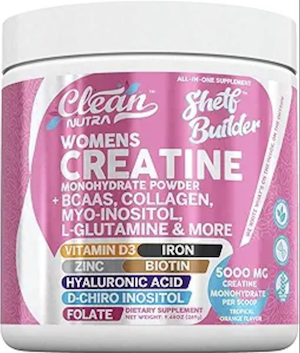 Try adding creatine for better energy and hormone health. See creatine options for women.
Community Comments
Add a comment