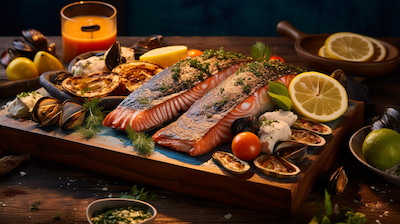
This complete guide examines the relationship between seafood intake and PCOS symptoms, highlighting which options are most helpful and which you might want to limit.
How Seafood Affects PCOS: The Science
Seafood offers several potential benefits for women with PCOS, primarily due to its unique nutritional profile that addresses key aspects of the condition:
- Anti-inflammatory effects: Fatty fish high in omega-3s can help reduce the chronic inflammation often linked to PCOS.
- Hormone regulation: Certain seafood contains nutrients that support healthier hormone balance, particularly important for addressing the hormonal disruptions in PCOS.
- Insulin sensitivity: Protein-rich seafood has minimal impact on blood sugar levels, helping to improve insulin sensitivity that's commonly impaired in PCOS.
- Nutrient density: Seafood provides essential nutrients often depleted in women with PCOS, including zinc, selenium, iodine, and vitamin D.
Research published in the Journal of Clinical Endocrinology & Metabolism suggests that diets rich in omega-3 fatty acids from seafood may help reduce androgens (male hormones) that are often high in women with PCOS, potentially improving menstrual regularity and fertility.
Best Seafood Options for PCOS
Not all seafood is created equal when it comes to PCOS benefits. Here's a breakdown of the most helpful options:
Fatty Fish: Omega-3 Powerhouses
Wild-caught fatty fish deserve top ranking in your PCOS diet due to their impressive omega-3 content:
- Wild salmon: Rich in omega-3s and vitamin D, wild salmon helps combat inflammation and supports hormone production.
- Sardines: These small fish pack a powerful nutritional punch with omega-3s, calcium, and vitamin D, all without the high mercury concerns of larger fish.
- Mackerel: An excellent source of anti-inflammatory omega-3s, though Atlantic mackerel is preferred over King mackerel due to lower mercury content.
- Herring: Provides omega-3s along with vitamin B12, which supports energy levels—often depleted in women with PCOS.
A study in the International Journal of Fertility and Sterility found that women with PCOS who consumed fatty fish at least twice weekly showed improvements in insulin sensitivity and reduced testosterone levels after six months.
White Fish: Lean Protein Sources
White fish varieties provide quality protein with minimal saturated fat, making them excellent choices for weight control in PCOS:
- Cod: Low in calories but high in protein, cod helps promote satiety without spiking blood sugar.
- Halibut: Contains magnesium, which may help regulate insulin action and glucose metabolism.
- Flounder: A mild-tasting fish that's low in fat and calories while providing good protein content.
- Haddock: Rich in selenium and B vitamins that support thyroid function, which can be compromised in some women with PCOS.
Including white fish in your diet 2-3 times per week provides quality protein without the inflammatory effects that can come from excess red meat intake.
Helpful Shellfish for PCOS
Several shellfish varieties offer specific nutrients that support PCOS care:
- Oysters: Exceptionally high in zinc, which plays a role in ovulation and fertility. Many women with PCOS have suboptimal zinc levels.
- Mussels: Rich in iron and vitamin B12, nutrients often depleted in women with PCOS, especially those experiencing heavy menstrual bleeding.
- Shrimp: Provides iodine and selenium, supporting optimal thyroid function that can affect metabolic rate and symptom control in PCOS.
While shellfish can be highly nutritious, it's important to source them from clean waters and prepare them properly to minimize any potential contaminants.
Seafood to Limit or Avoid with PCOS
Some seafood options may be less helpful or potentially problematic for women with PCOS:
High-Mercury Fish
Mercury is a concern for everyone, but particularly for women with PCOS who may already have increased oxidative stress and inflammation:
- Shark, swordfish, king mackerel, and tilefish: These predatory fish accumulate the highest levels of mercury and should be avoided.
- Tuna (especially bigeye and ahi): Contains moderate to high mercury levels; limit intake to once weekly or less.
The FDA advises that women of reproductive age should be particularly cautious about mercury exposure, as it can affect fertility and pregnancy outcomes—both already concerns with PCOS.
Farm-Raised Fish Considerations
Not all farm-raised fish are problematic, but some farming practices raise concerns:
- Farmed fish may contain higher levels of inflammatory omega-6 fatty acids compared to wild-caught varieties.
- Some farmed fish are treated with antibiotics and contain artificial color additives, which may negatively impact gut health—an important factor in PCOS care.
When choosing farmed fish, look for sustainable certification and farming practices that minimize these concerns.
Processed Seafood Products
Processed seafood items often contain additives that may be problematic for PCOS:
- Breaded and fried seafood contains refined carbs and inflammatory oils that can worsen insulin resistance.
- Imitation crab (surimi) often contains added sugars, starches, and sometimes MSG, which provide minimal nutritional benefit and may contribute to blood sugar imbalances.
- Canned seafood in oil or with added sodium should be limited in favor of options packed in water.
Always read labels carefully and choose minimally processed seafood options whenever possible.
How to Include Seafood into Your PCOS Diet
Adding more seafood to your diet can be simple and delicious with these practical tips:
Optimal Cooking Methods
The way you prepare seafood can greatly impact its health benefits:
- Baking, poaching, steaming, and grilling are preferred methods that preserve nutrients and avoid adding inflammatory oils.
- Season with anti-inflammatory herbs and spices like turmeric, ginger, and garlic to enhance both flavor and PCOS-fighting benefits.
- Avoid deep-frying or preparing with excessive butter, which can add inflammatory fats and offset the benefits.
Try this simple preparation: Brush wild salmon with olive oil, sprinkle with lemon zest, dill. A pinch of sea salt, then bake at 375°F for 15-18 minutes for a perfect PCOS-friendly meal.
Meal Planning Ideas
Include seafood into your PCOS meal plans with these balanced approaches:
- Aim for 2-3 seafood meals weekly, prioritizing fatty fish at least twice.
- Pair seafood with low-glycemic vegetables and small portions of complex carbs like freekeh or teff.
- Add sources of healthy fats like avocado or olive oil to meals with leaner fish varieties to enhance nutrient absorption and satiety.
For busy days, consider simple options like a tuna salad made with olive oil instead of mayonnaise, served over mixed greens with a side of beets for added nutrition.
Budget-Friendly Options
Seafood doesn't have to break the bank. These approaches make it more affordable:
- Canned salmon and sardines provide excellent nutrition at a fraction of the cost of fresh fish.
- Frozen seafood is often less expensive than fresh while retaining most nutritional benefits.
- Shopping at local fish markets or joining a community-supported fishery (CSF) can reduce costs while providing fresher options.
- Consider less popular but nutritious species like mackerel, herring, or whiting, which are often more affordable.
Budget-conscious options like anti-inflammatory collagen golden milk can complement seafood meals while supporting PCOS care.
Seafood Supplements for PCOS
If consuming seafood regularly is challenging, supplements may help bridge the nutritional gap:
Fish Oil Supplements
Fish oil can provide concentrated omega-3 fatty acids:
- Look for supplements that specify the EPA and DHA content (the active forms of omega-3s).
- Aim for products that provide 1,000-2,000 mg of combined EPA and DHA daily.
- Choose molecularly distilled products to ensure purity and removal of contaminants.
Research indicates omega-3 supplementation may improve insulin sensitivity and reduce testosterone levels in women with PCOS, though whole food sources are generally preferred when possible.
Krill Oil Options
Krill oil offers an alternative to traditional fish oil:
- Contains omega-3s in phospholipid form, which some research suggests may be more bioavailable.
- Naturally contains astaxanthin, an antioxidant that may provide additional benefits for inflammation.
- Often produces fewer "fishy" side effects like burping compared to fish oil.
When choosing between fish oil and krill oil, consider both budget and tolerance, as krill oil tends to be more expensive but may be better absorbed.
Research on Seafood and PCOS
Scientific studies provide valuable insights into how seafood affects PCOS:
- A 2020 study in the Journal of Clinical Endocrinology & Metabolism found that diets rich in omega-3 fatty acids from seafood were linked to improved menstrual regularity and reduced androgen levels in women with PCOS.
- Research published in Nutrients (2019) showed that increasing dietary intake of fish oil improved insulin sensitivity and reduced inflammatory markers in women with PCOS after 12 weeks.
- A systematic review in Food & Function (2021) concluded that seafood intake, particularly fatty fish, was linked to improved metabolic profiles in women with PCOS, including better lipid panels and reduced insulin resistance.
While research specifically on seafood and PCOS is still evolving, the evidence for the benefits of omega-3 fatty acids and the nutrient profiles of seafood is compelling.
Real-World Success with Seafood and PCOS
Many women report improvements in their PCOS symptoms after increasing seafood intake:
Rachel, 34, shares: "After including wild salmon and sardines into my diet twice weekly, I noticed less severe acne outbreaks and more regular menstrual cycles within three months. My endocrinologist confirmed improved insulin sensitivity at my follow-up appointment."
Emily, 29, reports: "As someone who struggles with PCOS-related fatigue, adding more seafood to my diet has made a noticeable difference in my energy levels. I especially find oysters and mussels helpful during the week before my period when my iron tends to drop."
Complementary Foods to Pair with Seafood
Enhance the benefits of seafood by pairing it with these PCOS-friendly foods:
- Cruciferous vegetables like broccoli, cauliflower, and brussels sprouts support healthy estrogen metabolism.
- Leafy greens like amaranth greens provide magnesium and iron that complement seafood's nutrient profile.
- Anti-inflammatory herbs and spices like turmeric, ginger, and garlic enhance both flavor and therapeutic benefits.
- Fermented foods such as kimchi, sauerkraut, or natto support gut health, which is increasingly linked to hormone balance.
Try this PCOS-friendly meal: Grilled wild salmon served with a side of roasted Brussels sprouts and a small portion of quinoa, seasoned with turmeric and ginger.
Conclusion: Is Seafood Good for PCOS?
Based on current research and nutritional science, seafood—particularly fatty fish rich in omega-3s—appears to be highly helpful for most women with PCOS.
The anti-inflammatory properties, hormone-supporting nutrients, and quality protein make seafood an excellent addition to a PCOS care plan.
Key takeaways include:
- Prioritize fatty fish like wild salmon, sardines, and mackerel 2-3 times weekly for maximum omega-3 benefits.
- Include various shellfish for specific nutrients like zinc, selenium, and B vitamins that support hormonal health.
- Limit high-mercury fish and heavily processed seafood products that may introduce inflammatory compounds.
- Pair seafood with anti-inflammatory vegetables and herbs to enhance benefits.
As with any diet changes, it's important to consult with your doctor when making significant adjustments to your PCOS care plan, especially if you're taking medications that may interact with certain nutrients in seafood.
Research Methodology
This article draws on peer-reviewed studies from sources including PubMed, the Journal of Clinical Endocrinology & Metabolism, and guidance from the American Society for Reproductive Medicine.
We focus on research specifically addressing seafood intake and omega-3 fatty acids in relation to PCOS or related metabolic conditions. All cited research has been published within the last decade with preference given to more recent studies and systematic reviews.
Frequently Asked Questions About Seafood and PCOS
Is tuna good for PCOS?
Tuna offers moderate benefits for PCOS with some important considerations. Light canned tuna provides quality protein and omega-3 fatty acids that support hormone balance and insulin sensitivity.
However, its mercury content means you should limit intake to 2-3 servings per week (light tuna) or just 1 serving per week (albacore/white tuna). For maximum benefits, choose tuna packed in water rather than oil, and pair it with anti-inflammatory foods like leafy greens and olive oil.
Women with PCOS who are trying to conceive or are pregnant should be especially cautious about tuna intake due to mercury concerns.
How does seafood affect insulin resistance in PCOS?
Seafood positively impacts insulin resistance in PCOS through multiple mechanisms. The omega-3 fatty acids in fatty fish like salmon and sardines improve cell membrane function, enhancing insulin receptor sensitivity.
Research published in the American Journal of Clinical Nutrition shows these fatty acids reduce inflammation in adipose tissue, which directly improves insulin signaling.
Also, seafood's high-quality protein content promotes satiety without greatly raising blood glucose, preventing the insulin spikes common with carb-heavy meals.
Clinical studies show that women with PCOS who consume omega-3 rich seafood at least twice weekly show measurable improvements in HOMA-IR scores (a measure of insulin resistance) within 8-12 weeks, particularly when combined with a low-glycemic diet plan.
Can seafood help with PCOS weight control?
Seafood is particularly effective for PCOS weight control for several evidence-based reasons. The high-quality protein in fish and shellfish increases thermal effect of food (TEF), meaning you burn more calories digesting protein compared to carbs or fats.
Research in the International Journal of Obesity shows protein from seafood specifically increases satiety hormones more effectively than other protein sources.
Also, the omega-3 fatty acids found in fatty fish appear to reduce visceral body fat—the metabolically active belly fat that's especially problematic in PCOS.
A 2021 study in the Journal of Nutrition found that women with PCOS who included seafood in their diet at least twice weekly lost 1.4 times more weight over a three-month period compared to those following an isocaloric diet without seafood, likely due to improved insulin sensitivity and reduced inflammation.
Which seafood is best for PCOS-related inflammation?
For PCOS-related inflammation, cold-water fatty fish deliver the most potent anti-inflammatory benefits. Wild Alaskan salmon ranks highest, providing about 1.5g of EPA and DHA omega-3 fatty acids per 3-ounce serving, which directly inhibit inflammatory cytokines.
Sardines offer similar benefits with additional calcium that supports hormone regulation. Small oily fish like anchovies and herring provide concentrated omega-3s with minimal environmental contaminants due to their low position in the food chain.
Among shellfish, oysters stand out for their exceptional zinc content (nearly 500% of daily requirements per 3-ounce serving), which helps regulate immune function and reduce inflammatory responses.
For maximum anti-inflammatory effects, seafood should be prepared using gentle cooking methods like poaching or baking rather than high-heat methods that can create inflammatory compounds. Paired with polyphenol-rich foods like turmeric, berries, or coconut water that further dampen inflammatory pathways.
How much seafood should I eat weekly with PCOS?
For optimal PCOS care, consuming seafood 2-3 times weekly provides the best balance of benefits while minimizing potential concerns.
Aim for at least two 4-ounce servings of fatty fish (salmon, sardines, mackerel) weekly to get about 3-4 grams of combined EPA and DHA omega-3 fatty acids—the amount shown in clinical studies to reduce PCOS inflammation markers and improve insulin sensitivity.
Complementing this with an additional serving of low-mercury seafood like shrimp, scallops, or cod diversifies your nutrient intake.
Women with more severe insulin resistance or inflammatory PCOS symptoms may benefit from the upper end of this range (3 servings weekly). Those concerned about environmental contaminants might opt for the lower end (2 servings) while considering a purified fish oil supplement to meet omega-3 needs.
This recommendation aligns with both the American Heart Association guidelines and research specific to hormonal health in women with PCOS.
Myths & Misconceptions About Seafood and PCOS
Myth: All seafood contains dangerous levels of mercury
Truth: While some large predatory fish contain concerning mercury levels, many seafood options like salmon, sardines. Most shellfish are low in mercury and safe to eat 2-3 times weekly with PCOS. #PCOSNutrition #SeafoodFacts
Myth: Farm-raised fish is just as nutritious as wild-caught
Truth: Wild-caught fatty fish often contains up to 3x more omega-3s and fewer contaminants than farm-raised alternatives, making it a superior choice for women with PCOS. #PCOSHealthTips #WildCaught
Myth: You need to eat seafood daily to get benefits for PCOS
Truth: Research shows just 2-3 servings of fatty fish weekly provides enough omega-3s to help improve insulin sensitivity and reduce inflammation in PCOS. Quality over quantity! #PCOSManagement #OmegaHealth
Myth: Canned fish isn't nutritious for PCOS
Truth: Canned salmon and sardines (with bones) are budget-friendly PCOS superfoods, providing omega-3s plus calcium that supports hormone balance and bone health. #PCOSonaBudget #NutrientDenseFoods
Myth: All omega-3 supplements are equally effective for PCOS
Truth: For PCOS, supplements with higher EPA content may be more effective for reducing inflammation, while DHA supports mood regulation. Look for at least 1000mg combined EPA/DHA per daily dose. #PCOSSupplements #Omega3Facts
Benefits of Seafood for PCOS
Including seafood into your PCOS care plan offers multiple evidence-based benefits:
Hormonal Benefits
- Omega-3 fatty acids help reduce high testosterone levels common in PCOS
- Vitamin D in fatty fish supports proper hormone production and egg development
- Selenium in many seafood varieties supports proper thyroid function, which affects reproductive hormones
- Zinc from oysters and other shellfish promotes ovulation and reproductive health
Metabolic Benefits
- Protein-rich seafood improves insulin sensitivity and glucose metabolism
- Omega-3s reduce visceral fat accumulation, particularly problematic in PCOS
- B vitamins in seafood support energy production and carb metabolism
- Lower glycemic impact compared to many protein alternatives helps prevent blood sugar spikes
Inflammatory Benefits
- EPA and DHA from fatty fish directly inhibit pro-inflammatory compounds
- Reduced inflammation may improve ovarian function and egg quality
- Antioxidants in certain seafood protect eggs and reproductive tissues from oxidative damage
- Anti-inflammatory effects may reduce PCOS symptoms like acne and pain
PCOS Seafood Selection Quiz
Answer these questions to find your ideal seafood choices based on your PCOS symptoms and preferences:
1. Which PCOS symptom is your biggest concern?
- a) Irregular periods and hormonal imbalance
- b) Insulin resistance and weight control
- c) Inflammation and skin issues
- d) Fertility and reproductive health
2. How often do you currently eat seafood?
- a) Rarely or never
- b) 1-2 times monthly
- c) 1-2 times weekly
- d) 3+ times weekly
3. What's your budget consideration for adding seafood?
- a) Very budget-conscious, need affordable options
- b) Moderate budget, can splurge occasionally
- c) Budget isn't a major concern
- d) Prefer supplements to whole food options
4. Do you have any concerns about seafood?
- a) Environmental contaminants/mercury
- b) Sustainability issues
- c) Preparation/cooking knowledge
- d) Taste preferences
5. Which other dietary approach are you following?
- a) Standard PCOS diet (low glycemic)
- b) Anti-inflammatory focus
- c) Mediterranean-style eating
- d) Low-carb or ketogenic
Your results: Take this quiz with your doctor to determine your ideal seafood plan for PCOS care. Different answers suggest different optimal seafood choices and frequency.
Next Actions: Getting Started with Seafood for PCOS
- Start a 30-day seafood trial: Commit to eating fatty fish twice weekly for one month and track your symptoms in a journal to observe changes.
- Test your omega-3 index: Consider asking your doctor for an omega-3 index test to establish your baseline levels.
- Create a seafood rotation plan: Develop a two-week meal rotation that includes different seafood varieties to ensure nutrient diversity.
- Find sustainable sources: Research local fish markets, community-supported fisheries, or delivery services that offer sustainable options.
- Master three simple cooking methods: Learn to perfectly bake, poach, and grill fish for easy meal preparation.
Join the Conversation
We'd love to hear about your experiences with seafood and PCOS care!
- Share your favorite PCOS-friendly seafood recipes in the comments section below
- Join our Facebook group "PCOS Nutrition Support" for more tips on including seafood into your diet
- Tag us in your seafood meal photos on Instagram using #PCOSSeafoodSuccess
- Sign up for our monthly newsletter for the latest research on PCOS nutrition, including our upcoming webinar: "Cooking with Seafood for Hormone Health"
Have questions about seafood and your specific PCOS symptoms? Our registered dietitian specializing in PCOS is available for personalized consultations.
Benefits of Seafood for PCOS
Including seafood into your PCOS care plan offers multiple evidence-based benefits:
Hormonal Benefits
- Omega-3 fatty acids help reduce high testosterone levels common in PCOS
- Vitamin D in fatty fish supports proper hormone production and egg development
- Selenium in many seafood varieties supports proper thyroid function, which affects reproductive hormones
- Zinc from oysters and other shellfish promotes ovulation and reproductive health
Metabolic Benefits
- Protein-rich seafood improves insulin sensitivity and glucose metabolism
- Omega-3s reduce visceral fat accumulation, particularly problematic in PCOS
- B vitamins in seafood support energy production and carb metabolism
- Lower glycemic impact compared to many protein alternatives helps prevent blood sugar spikes
Inflammatory Benefits
- EPA and DHA from fatty fish directly inhibit pro-inflammatory compounds
- Reduced inflammation may improve ovarian function and egg quality
- Antioxidants in certain seafood protect eggs and reproductive tissues from oxidative damage
- Anti-inflammatory effects may reduce PCOS symptoms like acne and pain
PCOS Seafood Selection Quiz
Answer these questions to find your ideal seafood choices based on your PCOS symptoms and preferences:
1. Which PCOS symptom is your biggest concern?
- a) Irregular periods and hormonal imbalance
- b) Insulin resistance and weight control
- c) Inflammation and skin issues
- d) Fertility and reproductive health
2. How often do you currently eat seafood?
- a) Rarely or never
- b) 1-2 times monthly
- c) 1-2 times weekly
- d) 3+ times weekly
3. What's your budget consideration for adding seafood?
- a) Very budget-conscious, need affordable options
- b) Moderate budget, can splurge occasionally
- c) Budget isn't a major concern
- d) Prefer supplements to whole food options
4. Do you have any concerns about seafood?
- a) Environmental contaminants/mercury
- b) Sustainability issues
- c) Preparation/cooking knowledge
- d) Taste preferences
5. Which other dietary approach are you following?
- a) Standard PCOS diet (low glycemic)
- b) Anti-inflammatory focus
- c) Mediterranean-style eating
- d) Low-carb or ketogenic
Your results: Take this quiz with your doctor to determine your ideal seafood plan for PCOS care. Different answers suggest different optimal seafood choices and frequency.
Next Actions: Getting Started with Seafood for PCOS
- Start a 30-day seafood trial: Commit to eating fatty fish twice weekly for one month and track your symptoms in a journal to observe changes.
- Test your omega-3 index: Consider asking your doctor for an omega-3 index test to establish your baseline levels.
- Create a seafood rotation plan: Develop a two-week meal rotation that includes different seafood varieties to ensure nutrient diversity.
- Find sustainable sources: Research local fish markets, community-supported fisheries, or delivery services that offer sustainable options.
- Master three simple cooking methods: Learn to perfectly bake, poach, and grill fish for easy meal preparation.
Join the Conversation
We'd love to hear about your experiences with seafood and PCOS care!
- Share your favorite PCOS-friendly seafood recipes in the comments section below
- Join our Facebook group "PCOS Nutrition Support" for more tips on including seafood into your diet
- Tag us in your seafood meal photos on Instagram using #PCOSSeafoodSuccess
- Sign up for our monthly newsletter for the latest research on PCOS nutrition, including our upcoming webinar: "Cooking with Seafood for Hormone Health"
Have questions about seafood and your specific PCOS symptoms? Our registered dietitian specializing in PCOS is available for personalized consultations.
Community Comments
Add a comment