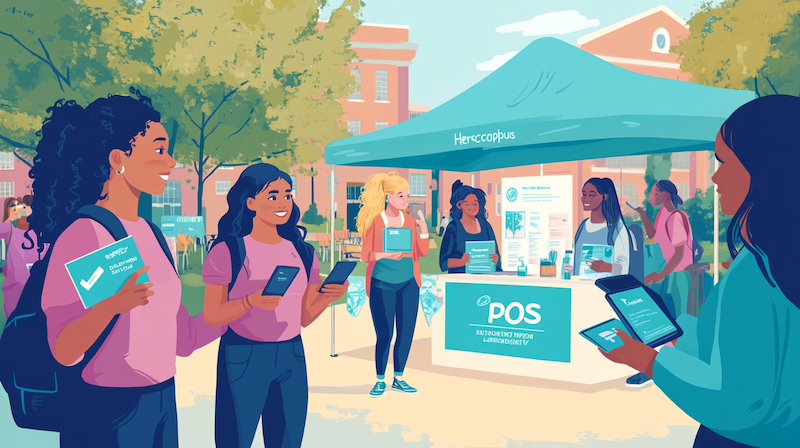
This complete guide addresses the specific needs of college students with PCOS, offering evidence-based strategies for symptom control, academic success. Overall wellness during these crucial years.
Understanding PCOS Challenges in College Settings
College life creates specific challenges for women managing PCOS symptoms. Research published by the National Institute of Health shows that young adults with PCOS face higher rates of depression, anxiety. Academic stress compared to their peers without the condition.
The combination of irregular meal schedules, high stress levels, limited sleep, and restricted food choices on campus can greatly impact hormone balance and symptom severity. Understanding these challenges helps develop effective management strategies.
College PCOS Statistics: Studies show that 1 in 10 college-aged women have PCOS, but many remain undiagnosed until symptoms become severe enough to interfere with academic performance.
Campus Resources for PCOS care
Most colleges offer valuable resources that can support students managing PCOS in college. Understanding what's available helps you build a complete support network for optimal symptom control.
Student Health Centers
Campus health centers serve as your primary point of care for PCOS care. Many offer gynecological services, hormone testing, and prescription management. Schedule regular appointments to track your symptoms and adjust treatments as needed.
Don't hesitate to discuss how PCOS symptoms might affect your academic performance. Health center staff can provide documentation for academic accommodations when necessary.
Counseling and Mental Health Services
The psychological impact of PCOS often goes unaddressed, yet mental health support is crucial for overall wellness. Campus counseling centers often offer individual therapy, group sessions, and stress control workshops.
Consider connecting with counselors who understand chronic health conditions and their impact on academic performance and social relationships.
Nutrition Services and Registered Dietitians
Many campuses employ registered dietitians who can help you navigate dining hall options and create meal plans that support PCOS care. They can also provide guidance on maintaining healthy dietary patterns for PCOS within campus constraints.
Fitness and Recreation Centers
Regular physical activity is essential for PCOS care, and campus fitness centers provide accessible options. Many offer group fitness classes, personal training, and specialized programs that can accommodate various fitness levels and interests.
Important Note: Always inform campus health providers about your PCOS diagnosis and any medications you're taking. This ensures coordinated care and appropriate treatment recommendations.
Navigating Campus Dining with PCOS
Campus dining presents unique challenges for students managing PCOS in college. Limited options, irregular meal times, and processed foods can make symptom control difficult. However, strategic planning can help you keep a PCOS-friendly diet.
Dining Hall Strategies
Most campus dining halls offer more variety than students initially realize. Focus on these PCOS-friendly options:
- Salad Bars: Build nutrient-dense meals with leafy greens, vegetables, and protein sources
- Grilled Proteins: Choose grilled chicken, fish, or plant-based proteins over fried options
- Whole Grains: Select brown rice, quinoa, or whole grain bread when available
- Fresh Fruits: Opt for PCOS-helpful berries and low-glycemic fruits
Dorm Room Meal Prep
Limited cooking facilities require creative solutions for healthy meal preparation. Invest in a mini-fridge, microwave-safe containers, and basic appliances like a electric kettle or rice cooker.
Stock your dorm with PCOS-friendly staples: nuts, seeds, protein powder, oatmeal, and shelf-stable healthy snacks. Consider simple recipes like quick protein-rich omelets that can be made with minimal equipment.
Smart Snacking on Campus
Between classes and study sessions, having PCOS-friendly snacks readily available prevents poor food choices when hunger strikes. Pack combinations of protein and healthy fats like nuts with fruit or Greek yogurt with berries.
Academic Accommodations for PCOS
PCOS symptoms can greatly impact academic performance, and students have the right to request reasonable accommodations when medical conditions affect their education.
Disability Services Support
Many colleges offer disability services that can provide accommodations for students with chronic health conditions like PCOS. Potential accommodations might include:
- Extended time for exams during symptom flares
- Flexibility with attendance policies for medical appointments
- Permission to bring food or water to class for blood sugar management
- Priority registration to avoid early morning classes if fatigue is a significant symptom
Communication with Professors
While you're not required to disclose specific medical details, building relationships with professors and explaining that you have a chronic health condition can create understanding and flexibility when symptoms interfere with academic responsibilities.
Managing Stress and Sleep with PCOS in College
College stress can worsen PCOS symptoms, while PCOS symptoms can increase stress levels, creating a challenging cycle. Developing effective stress control strategies is crucial for both academic success and symptom control.
Sleep Hygiene Strategies
Quality sleep is essential for hormone regulation, yet college schedules often disrupt natural sleep patterns. Implement these strategies for better sleep:
- Keep consistent sleep and wake times, even on weekends
- Create a relaxing bedtime routine that signals your body to wind down
- Limit screen time before bed to support natural melatonin production
- Consider blackout curtains or eye masks for better sleep quality in dorms
Stress Reduction Techniques
Chronic stress worsens insulin resistance and can trigger PCOS symptom flares. Explore campus resources for stress control, including:
- Meditation and mindfulness classes
- Yoga sessions offered through recreation centers
- Study groups that reduce academic isolation
- Regular exercise routines that fit your schedule
Pro Tip: Many colleges offer free or low-cost massage therapy, acupuncture, or other wellness services that can help manage PCOS-related pain and stress.
Building Social Support Networks
Having PCOS in college can feel isolating, especially when symptoms affect your ability to participate in typical college social activities. Building supportive relationships is crucial for both emotional wellbeing and practical support.
Finding Your Tribe
Look for student organizations focused on health, wellness, or women's issues. Many campuses have chronic illness support groups or general wellness communities where you can connect with others who understand health challenges.
Consider starting conversations about PCOS awareness through campus publications like HerCampus chapters, which often welcome student contributions about health and wellness topics.
Educating Friends and Roommates
Sharing basic details about PCOS with close friends and roommates can create a more supportive living environment. They can help you stick to meal plans, understand when you need rest, and provide encouragement during difficult symptoms.
Financial Considerations for PCOS care
College students often face financial constraints that can impact their ability to manage PCOS effectively. Understanding cost-effective strategies helps keep health without overwhelming your budget.
Affordable Nutrition Strategies
Eating well on a college budget requires planning, but it's absolutely achievable. Focus on affordable protein sources like eggs, canned fish, and legumes. Buy frozen vegetables and fruits for consistent nutrition at lower costs.
Consider meal sharing with roommates to split costs on quality ingredients for home-cooked meals that support PCOS care.
Healthcare Cost Management
Explore student health insurance options and understand what PCOS-related services are covered. Many campus health centers offer services at reduced costs for students.
Generic medications often provide the same benefits as brand-name options at much lower costs. Discuss these options with campus healthcare providers.
Exercise and Physical Activity on Campus
Regular physical activity is one of the most effective treatments for PCOS symptoms. College campuses often offer excellent facilities and programs to support active lifestyles.
Campus Fitness Options
Take advantage of included fitness center access and explore various activity options:
- Group fitness classes that provide motivation and structure
- Intramural sports that combine social interaction with exercise
- Walking or running groups for low-impact cardiovascular activity
- Strength training programs specifically designed for women
Integrating Movement into Daily Routines
With busy academic schedules, finding dedicated exercise time can be challenging. Consider these strategies for staying active:
- Walk or bike to classes instead of taking campus transportation
- Use stairs instead of elevators when possible
- Schedule study breaks that include physical movement
- Find study partners who enjoy walking meetings
Hormone Health During College Years
The college years coincide with important reproductive health milestones, making PCOS care particularly crucial during this time period.
Monitoring Menstrual Health
Keep track of your menstrual cycles, symptoms, and any changes in your condition. Many smartphone apps can help you track patterns and share details with healthcare providers.
Don't ignore irregular periods or worsening symptoms. Early intervention often prevents more serious complications later.
Birth Control Considerations
Many students with PCOS use hormonal birth control to manage symptoms and prevent pregnancy. Campus health centers can provide counseling about options that work well for PCOS care.
Discuss your academic schedule, lifestyle factors, and symptom patterns with healthcare providers to find the most appropriate options for your situation.
Research Methodology and Evidence Base
This article draws from peer-reviewed research published in journals including the Journal of American College Health, Fertility and Sterility, and Health Psychology. We prioritize studies examining PCOS care in young adult populations.
Key research sources include longitudinal studies tracking PCOS symptoms and quality of life in college-aged women, published through the National Institute of Health (NIH) database and academic medical centers specializing in reproductive endocrinology.
Frequently Asked Questions
How can I manage PCOS symptoms with a busy college schedule?
Managing PCOS in college requires strategic planning and prioritization. Focus on consistent meal timing, regular sleep schedules, and including movement into your daily routine. Use campus resources like health centers and dining services to support your management plan.
Consider meal prep sessions and stress control techniques that fit your academic schedule.
What campus resources are available for students with PCOS?
Most colleges offer student health centers with gynecological services, counseling centers for mental health support, nutrition services with registered dietitians, and fitness facilities.
Many also have disability services that can provide academic accommodations when PCOS symptoms affect your studies. Contact your student services office to learn about specific resources available on your campus.
Can I get academic accommodations for PCOS?
Yes, students with PCOS may qualify for academic accommodations through disability services offices.
Potential accommodations include extended exam time during symptom flares, attendance flexibility for medical appointments, permission to bring food to class for blood sugar management. Priority registration to avoid scheduling conflicts with treatment needs.
You'll need medical documentation from a doctor.
How do I eat well for PCOS on a college meal plan?
Focus on dining hall salad bars, grilled proteins, whole grains, and fresh fruits. Avoid fried foods, sugary drinks, and processed snacks. Meet with campus nutritionists to discuss PCOS-friendly options available in your dining facilities.
Consider supplementing with healthy dorm room snacks like nuts, seeds, and protein powder for consistent nutrition between meals.
Where can I find support for PCOS in college?
Look for student health and wellness groups, women's organizations, or chronic illness support groups on campus. Many colleges have HerCampus chapters that address women's health topics.
Online communities and social media groups specifically for college students with PCOS can provide additional peer support. Don't hesitate to reach out to campus counseling services for professional support.
Common Myths About PCOS in College
Myth: "College stress always makes PCOS worse"
Truth: While stress can worsen symptoms, effective stress control and campus support systems can help students with PCOS thrive academically and socially during college years.
Myth: "Campus dining makes PCOS care impossible"
Truth: With strategic planning and knowledge of available options, students can keep PCOS-friendly eating patterns using campus dining facilities and dorm room resources.
Myth: "Students with PCOS can't participate in normal college activities"
Truth: With proper management and support, students with PCOS can fully participate in academic, social, and extracurricular activities. Symptom control enhances rather than limits college experiences.
Key Benefits of Proactive PCOS care in College
- Academic Success: Stable symptoms support consistent academic performance and reduced absences
- Social Engagement: Effective management enables full participation in college social and extracurricular activities
- Long-term Health: Early intervention prevents complications and establishes lifelong healthy habits
- Mental Wellbeing: Proper support reduces anxiety and depression linked to chronic illness
- Independence Building: Learning self-advocacy and management skills prepares students for post-graduation life
- Career Preparation: Healthy management strategies support internships, job searches, and professional development
Campus Life Impact Assessment
Understanding how PCOS affects different aspects of college life helps develop complete management strategies.
- Academic Performance: Fatigue and mood changes can affect concentration and attendance
- Social Relationships: Symptoms may impact energy for social activities and body image confidence
- Physical Activities: Exercise tolerance may vary with symptom cycles and energy levels
- Sleep Quality: Hormonal fluctuations can disrupt sleep patterns in dorm environments
- Stress Response: Academic pressure may worsen hormonal imbalances and symptoms
College PCOS Care Checklist
Use this checklist to set up successful PCOS care in college:
- ☐ Register with campus health center and establish PCOS care
- ☐ Meet with campus nutritionist about dining hall options
- ☐ Explore fitness center programs and classes
- ☐ Connect with counseling services for mental health support
- ☐ Research disability services for potential accommodations
- ☐ Stock dorm room with PCOS-friendly snacks and basics
- ☐ Download apps for symptom tracking and meal planning
- ☐ Find student support groups or health-focused organizations
- ☐ Establish relationships with understanding professors
- ☐ Create emergency plan for symptom flares during exams
Completing 8-10 items indicates strong preparation for managing PCOS in college. Missing several? Prioritize the most important areas for your specific needs first.
Next Steps for College PCOS Success
Successfully managing PCOS in college requires ongoing attention and adjustment as your academic and social situations evolve throughout your college years.
- Schedule regular check-ins with campus healthcare providers to track your condition
- Keep detailed records of symptoms, treatments, and what works best for your lifestyle
- Stay connected with PCOS support communities both on campus and online
- Advocate for increased PCOS awareness and resources on your campus
- Prepare for transitions like study abroad, internships, or graduate school
Remember that college is a time of growth and discovery. With proper support and management strategies, PCOS doesn't have to limit your college experience or future aspirations.
Connect with Specialized College PCOS Support
Managing PCOS during college requires understanding the unique challenges students face. PCOS Meal Planner offers specialized resources designed for college students, including budget-friendly meal plans, dorm room cooking guides. Flexible strategies that work with academic schedules.
Our platform recognizes that college life demands practical solutions that fit your lifestyle, budget, and campus constraints. Connect with other college students managing PCOS and access resources specifically designed for your needs.
Ready to take control of your PCOS while excelling in college? Explore our student-focused resources and join a community that understands the unique challenges of managing PCOS during these important years.
Community Comments
Add a comment