What does the glycemic index measure?
The glycemic index (GI) scores how fast a food raises blood sugar next to pure glucose. The scale runs from 0 to 100.
- Low GI: 55 or less
- Medium GI: 56 to 69
- High GI: 70 or higher
With PCOS, low and medium GI foods put less strain on insulin, so build your carbs around them. Our low glycemic foods list for PCOS has the full table.
GI ignores portion size. Glycemic load (GL) counts the carb type and how much you eat, so it suits meal planning better. Here is how to calculate glycemic load from glycemic index.
Sweet potato vs. white potato: glycemic index differences
Sweet potato GI: 44 to 61
Most sweet potatoes land in the medium band. Type and cooking method decide where.
- Orange flesh: near 50
- Purple flesh: as low as 44
- Boiled: near 46
- Baked: near 60
Two things hold the number down. The fiber slows the carbs on the way through your gut. And a sweet potato holds more water than a white one, so each bite carries less carb.
White potato GI: 56 to 111
White potatoes run higher. The spread is wide. Here the type and the cooking method matter even more.
- Russet, baked: 78 to 111
- Red, boiled: 56 to 89
- New potatoes: 57 to 78
- White, mashed: 83 to 110
A boiled red potato can score lower than a baked sweet potato. The name on the bag is only half the story. Our guide comparing potato glycemic index across varieties goes through each type.
What changes a potato's glycemic index?
1. How you cook it
Boiling gives the lowest GI for both types. Baking pushes it up a lot. Mashing is often worse still. A mashed potato has its starch broken open and ready to digest. Frying adds fat, which lowers the GI a little, but the calories climb.
The same rule shows up in white bread vs whole grain glycemic index. The more a carb is processed, the faster it digests.
2. Cooling after cooking
Cook a potato, chill it, then eat it cold or reheated, and its GI falls by 15 to 20 points. As it cools, some of the starch turns into resistant starch, which behaves more like fiber than a digestible carb. It works for both types.
Rice does the same thing when cooled, both basmati rice and brown rice.
3. Which potato you buy
White potatoes differ too. Waxy types (red, fingerling) have a lower GI. Starchy types (russet, Idaho) have a higher one. All-purpose types like Yukon Gold sit in between.
Want lower still? Wild rice swaps in for potato in some dishes.
Nutrition per 100g: sweet potato vs. white potato
GI is one column of the table. Here is the rest, per 100g serving.
Sweet potato
- Calories: 86
- Carbs: 20g
- Fiber: 3g
- Protein: 1.6g
- Vitamin A: 14,187 IU (284% DV)
- Vitamin C: 2.4mg (4% DV)
- Potassium: 337mg (10% DV)
- Magnesium: 25mg (6% DV)
White potato, with skin
- Calories: 77
- Carbs: 17g
- Fiber: 2.2g
- Protein: 2g
- Vitamin A: 0 IU
- Vitamin C: 19.7mg (33% DV)
- Potassium: 421mg (12% DV)
- Magnesium: 23mg (6% DV)
The sweet potato wins on vitamin A by a mile and on fiber by a little. The white potato wins on vitamin C and potassium. Both give you about the same magnesium, and magnesium helps with PCOS symptoms. Neither is a big source on its own, so here are seven ways to get more magnesium from food.
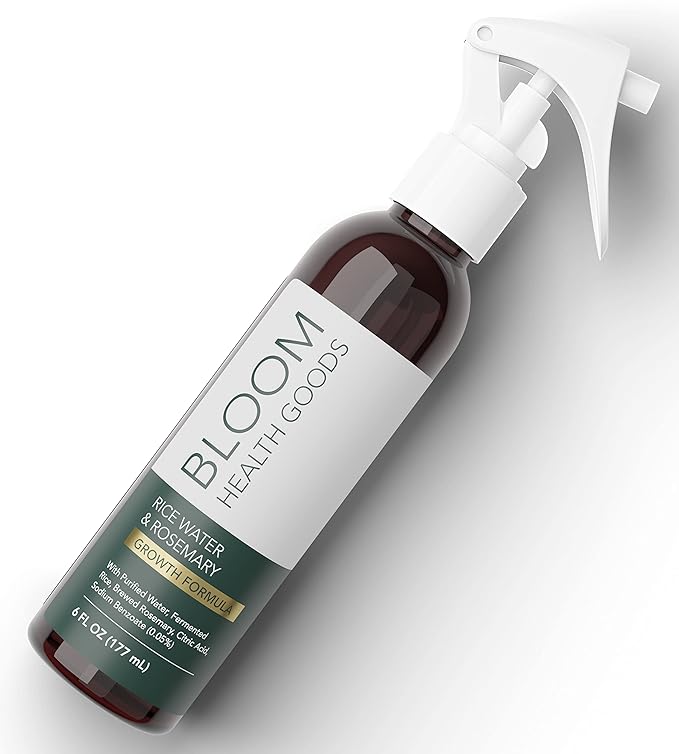
Thinning hair is a PCOS symptom too
Blood sugar is one lever. Hair is another. Rosemary water can help with PCOS-related hair thinning. Get rosemary here.
Which potato raises insulin less?
Sweet potatoes, in most cases. The blood sugar rise is slower, so the insulin response is smaller. The extra fiber slows the carbs down further.
White potatoes tend to send blood glucose up faster and pull a stronger insulin response. There is less fiber to soften the load. Cool them after cooking and the insulin response improves a lot.
That difference is worth carrying into your low glycemic snacks and any low carb PCOS diet you follow.
How to cook potatoes for a lower GI
You do not have to give up potatoes. Cook them so the carbs arrive slowly.
Sweet potatoes
- Boil rather than bake, to keep the GI lowest
- Leave the skin on for the extra fiber
- Add fat, like olive oil or avocado, to slow the carbs
- Pair with protein such as Greek yogurt (see Greek yogurt vs kefir for PCOS)
White potatoes
- Choose waxy types like red or fingerling
- Cook and cool them to build resistant starch
- Skip the mash, which is often the highest GI of all
- Keep the portion around 1/2 to 3/4 cup
- Dress potato salad with vinegar to lower the GI
The same rules carry over to other starches, like sprouted grains for PCOS.
Lower-GI potato recipes
Sweet potato
- Sweet potato toast: thin slices, toasted, topped with nut butter
- Chilled sweet potato salad with arugula and walnut pesto
- Sweet potato "nachos": sliced rounds topped with protein and avocado
- Sweet potato and black bean bowls with probiotic green goddess dressing
- Sweet potato breakfast hash with eggs and black garlic
White potato
- Chilled herb potato salad with butter lettuce and fresh herbs
- Twice-cooked wedges: boiled, cooled, then roasted
- Small red potatoes with fermented cashew cheese
- Potato and vegetable frittata made with cooled, pre-cooked potatoes
- Potato-crusted fish with thin slices of new potato
They sit well next to buckwheat pancakes on a PCOS plan.
How much potato is a portion?
Half a cup. That is about the size of a computer mouse, and it sets the glycemic load whatever the GI says.
- Standard serving: 1/2 cup
- Active people: up to 1 cup
- Strict carb control: 1/4 to 1/3 cup
- After a workout: a little more is usually tolerated
Your own numbers may not match the published GI. Stress, short sleep and the time of day all shift blood sugar. Some women do better on white potatoes than sweet, or the other way round. A glucose meter tells you. If you train regularly, your body may handle carbs differently; see HIIT workouts with PCOS. The same personal approach runs through our post-birth control PCOS diet guide.
Which potato should you choose with PCOS?
Sweet potato, most of the time. With insulin resistance it is the safer default: lower GI, more fiber and a smaller insulin rise. Orange or purple flesh adds antioxidants on top.
White potatoes still have a place. Pick small new potatoes over large russets. Boil them and cool them. Keep the portion at half a cup.
Whatever you pick, fill the rest of the plate with protein and fat, plus vegetables that are not starchy. The same logic covers the best crackers for PCOS. It covers whether a banana has a high or low glycemic index too. Each is one part of the plate, never the whole of it.
Does eating protein before the potato lower the spike?
Yes. Eat a little protein and fat 10 to 15 minutes before the potato. The blood sugar rise that follows is more gradual. A handful of nuts works, or a few bites of a protein-rich food, or a tablespoon of nut butter. The protein and fat get a head start on slowing the carbs before they arrive.
How this article was made
The GI figures come from the International Tables of Glycemic Index and Glycemic Load Values. The nutrition figures per 100g come from USDA FoodData Central. The cooking and cooling advice draws on published work on resistant starch in cooled potatoes. It also draws on American Diabetes Association guidance on starchy vegetables. Clinical research into carb metabolism in women with PCOS fills in the rest. Everything here reflects the evidence as of the publication date.
Community Comments
Add a comment