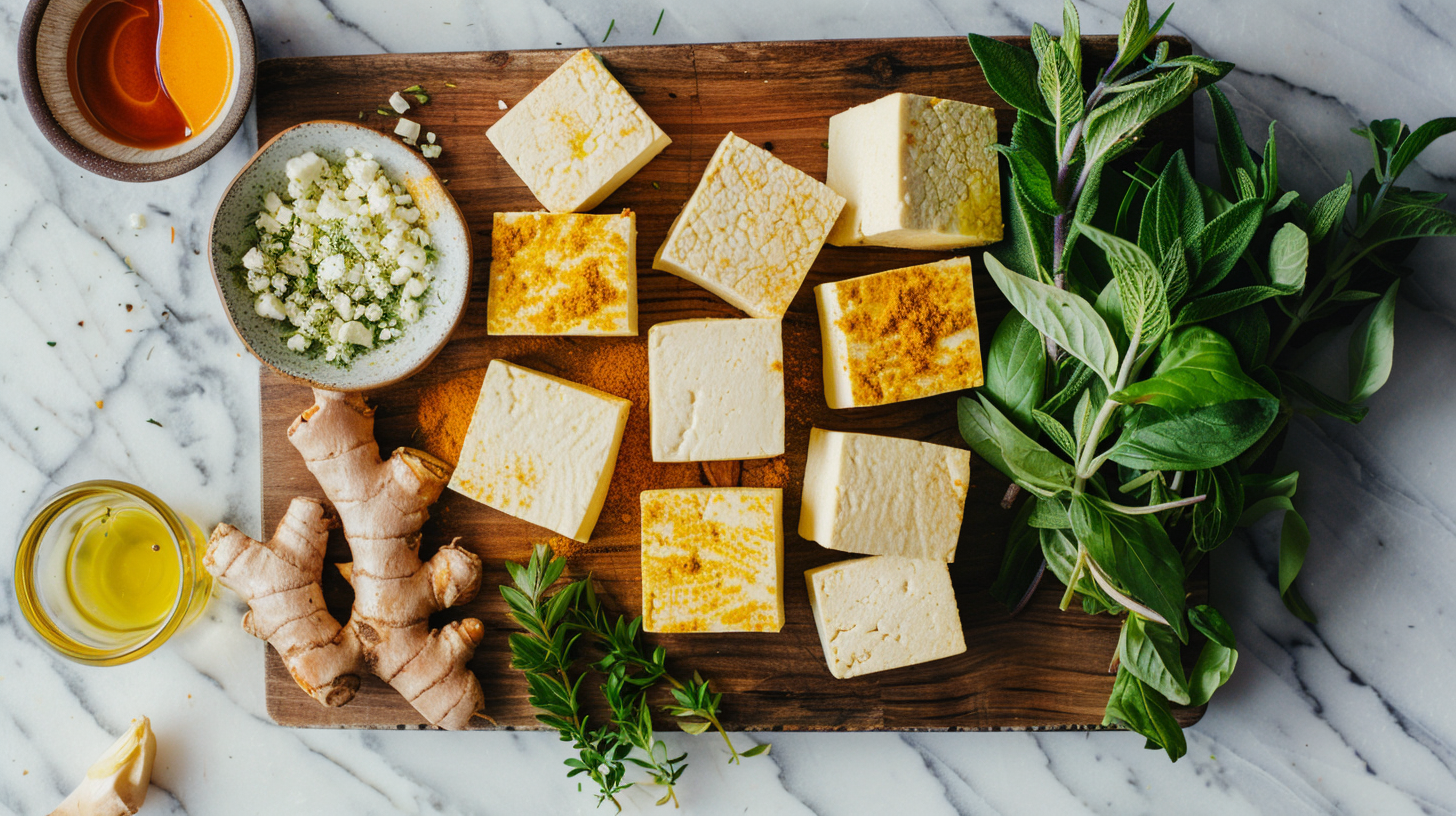
This guide will help you navigate the tofu aisle with confidence and understand how this versatile soy food can support your PCOS care.
Why Tofu Can Be Helpful for PCOS
Tofu is made from condensed soy milk that's pressed into solid blocks, making it a complete plant protein containing all nine essential amino acids. For women with PCOS, tofu offers several potential benefits:
- Low glycemic index to help regulate blood sugar levels
- High-quality plant protein to support muscle maintenance
- Contains isoflavones that may help balance hormones
- Rich in minerals like calcium and iron often needed by women with PCOS
- Versatile ingredient that can replace higher-saturated fat protein sources
Best Types of Tofu for PCOS
1. Organic Non-GMO Tofu
When choosing tofu for PCOS, organic varieties are often your best option.
Organic tofu is produced from soybeans grown without synthetic pesticides or fertilizers, which is important since conventional soybeans are often heavily sprayed with pesticides that may act as endocrine disruptors—something women with PCOS should minimize exposure to.
Look for packages labeled "USDA Organic" and "Non-GMO Project Verified" to ensure you're getting tofu made from beans that haven't been genetically modified.
2. Firm or Extra-Firm Tofu
For most PCOS-friendly recipes, firm or extra-firm tofu varieties are ideal. These types contain less water and more protein per serving compared to softer varieties.
The higher protein content helps with blood sugar regulation and can increase satiety—both important factors in managing PCOS symptoms.
Firm tofu often provides 8-10 grams of protein per 3-ounce serving, making it an excellent plant protein option for hormone balance.
3. Calcium-Set Tofu
Some tofu is made using calcium sulfate as a coagulant, which increases the calcium content of the final product. Since women with PCOS may have higher risks of bone density issues, choosing calcium-set tofu can provide additional nutritional benefits.
Check the nutrition label for calcium content—a calcium-rich tofu will often provide 15-20% of your daily calcium needs per serving.
4. Sprouted Tofu
Sprouted tofu is made from soybeans that have been allowed to sprout before processing. This sprouting process can reduce phytic acid content and potentially make the nutrients more bioavailable.
For women with PCOS who may have inflammation or digestive sensitivities, sprouted tofu might be easier to digest.
Tofu to Approach with Caution
Silken Tofu
While silken tofu has its culinary uses, it contains greatly less protein and more carbs than firmer varieties. For PCOS care where protein intake and blood sugar control are priorities, silken tofu should be used more sparingly or for specific recipes like smoothies or desserts.
Flavored or Marinated Tofu Products
Pre-flavored tofu products often contain added sugars, excessive sodium, and sometimes artificial ingredients that may not support PCOS care. Always check the ingredient list and nutrition facts when buying marinated or seasoned tofu products.
How to Prepare Tofu for Maximum PCOS Benefits
The preparation method can greatly impact how tofu affects your PCOS symptoms:
Pressing Technique
Removing excess water from tofu before cooking it improves texture and allows it to absorb marinades better. Place your tofu block between clean kitchen towels and set a heavy object on top for 15-30 minutes. This simple step makes tofu more protein-dense per serving.
Anti-Inflammatory Marinades
Marinate tofu in PCOS-friendly ingredients like:
- Turmeric and black pepper (curcumin activation)
- Apple cider vinegar (may help with insulin sensitivity)
- Ginger and garlic (natural anti-inflammatory agents)
- Herbs like rosemary and oregano (antioxidant properties)
Cooking Methods
The healthiest ways to prepare tofu for PCOS include:
- Baking: Creates a chewy, protein-rich result without excess oil
- Air-frying: Provides crispy texture with minimal added fat
- Steaming: Gentle method that preserves nutrients
- Grilling: Adds flavor without introducing inflammatory compounds
How Much Tofu is Appropriate for PCOS?
Despite its benefits, moderation remains important. Most nutrition experts suggest limiting soy foods to 2-3 servings per day.
For women with PCOS, 2-4 servings of tofu per week (with each serving being about 3-4 ounces) is generally considered appropriate as part of a varied diet that includes other protein sources.
If you're concerned about soy intake and hormones, speak with your doctor. Most research indicates that whole soy foods like tofu have helpful or neutral effects for most women with PCOS, but individual responses may vary.
PCOS-Friendly Tofu Recipe Ideas
Here are some delicious ways to include tofu into your PCOS care plan:
- Mediterranean tofu scramble with anti-inflammatory herbs and vegetables
- Baked tofu cubes with turmeric and black pepper for salads
- Tofu and vegetable stir-fry with low-glycemic vegetables like broccoli and bell peppers
- Air-fried tofu bites served with hormone-balancing kefir green goddess dressing
Frequently Asked Questions About Tofu and PCOS
Is soy like tofu safe for women with PCOS?
Yes, tofu and other minimally processed soy foods are generally considered safe and potentially helpful for most women with PCOS. The isoflavones in soy have a weak estrogenic effect that may help balance hormones rather than disrupt them.
Current research suggests that whole soy foods do not negatively impact hormone levels in women with PCOS and may actually provide benefits through their high-quality protein content and low glycemic impact.
However, individual responses vary, so track how your body responds when adding tofu to your diet.
Does tofu raise estrogen levels in PCOS?
Tofu contains phytoestrogens (plant estrogens) called isoflavones that have a much weaker effect than human estrogen.
Rather than simply raising estrogen levels, these compounds can have a balancing effect—they can weakly bind to estrogen receptors, potentially helping women with estrogen dominance or deficiency.
For most women with PCOS, consuming moderate amounts of tofu doesn't greatly raise estrogen levels but instead may help promote hormonal equilibrium. Studies have shown that whole soy foods like tofu don't disrupt hormone levels in women with PCOS.
What's better for PCOS: tofu or tempeh?
Both tofu and tempeh offer benefits for PCOS, but they have different nutritional profiles.
Tempeh is a fermented soy product that contains probiotics and has more fiber, protein. A lower glycemic index than tofu, potentially making it slightly more advantageous for blood sugar management and gut health—both important factors in PCOS.
However, tofu is more versatile in recipes and often more accessible. Ideally, women with PCOS would include both in their diet rotation, with perhaps a slight preference for tempeh when possible due to its fermentation benefits and higher protein content.
How often can I eat tofu with PCOS?
For women with PCOS, consuming tofu 2-4 times per week (with portions of about 3-4 ounces or 80-100g) is generally considered appropriate as part of a varied diet. This moderate approach provides the benefits of soy without overreliance on a single protein source.
It's important to rotate protein sources to ensure you're getting a diverse nutrient profile. If you're new to tofu, start with smaller amounts once or twice weekly and observe how your body responds before increasing frequency.
Can tofu help with weight control in PCOS?
Tofu can be a helpful component in PCOS weight control strategies for several reasons. Its high protein content increases satiety, potentially reducing overall calorie intake. The low glycemic index of tofu helps prevent blood sugar spikes that can lead to cravings and fat storage.
Also, replacing higher-calorie animal proteins with tofu can create a modest calorie deficit over time. Research suggests that plant-based diets including soy proteins like tofu may improve insulin sensitivity in women with PCOS, which can help weight control.
However, tofu should be part of a complete approach including other lifestyle factors.
Community Comments
Add a comment