Understanding these common PCOS nutrient deficiencies is the first step toward better management of your condition.
Why Nutritional Deficiencies Occur in PCOS
Women with PCOS often experience nutritional imbalances for several reasons:
- Insulin resistance affects how nutrients are absorbed and used
- Chronic inflammation increases nutrient demands
- Hormonal imbalances influence metabolism and digestion
- Dietary restrictions aimed at managing symptoms may inadvertently limit nutrient intake
Addressing these deficiencies can greatly improve PCOS symptoms and overall quality of life.
Most Common Vitamin D Deficiency in PCOS
Vitamin D deficiency affects up to 85% of women with PCOS, making it the most prevalent nutritional gap in this condition. This essential vitamin plays a crucial role in:
- Regulating insulin sensitivity
- Supporting ovarian function and egg quality
- Reducing inflammation
- Improving mood and mental health
Research shows that vitamin D supplementation in PCOS can help reduce testosterone levels, improve menstrual regularity, and enhance fertility outcomes.
The recommended daily intake for women with PCOS is often higher than standard recommendations, often between 2,000-4,000 IU daily depending on current blood levels.
Magnesium Deficiency PCOS Connection
Magnesium deficiency is another common nutritional gap in PCOS, affecting about 45-50% of women with this condition. This mineral is vital for:
- Insulin signaling and glucose metabolism
- Reducing stress hormones like cortisol
- Supporting sleep quality
- Alleviating PMS symptoms and menstrual cramps
Low magnesium levels can worsen insulin resistance, increase inflammation, and contribute to anxiety and mood disorders—all common challenges in PCOS. Increasing your intake through magnesium-rich foods like dark leafy greens, nuts, seeds, and nutritional yeast can help address this deficiency.
B Vitamin Status in PCOS: The Overlooked Deficiencies
Several B vitamins play critical roles in PCOS care, yet deficiencies are common:
Vitamin B12
B12 deficiency affects 10-15% of women with PCOS and can lead to:
- Fatigue and weakness
- Mood changes and depression
- Nerve damage (tingling in hands and feet)
- Poor egg quality and fertility issues
Women following plant-based diets need to be especially vigilant about B12 intake. Consider nutritional yeast as a fortified source, or discuss supplementation with your doctor.
Folate (B9)
Folate is essential for:
- Cell division and DNA synthesis
- Reducing homocysteine (an inflammatory marker)
- Supporting fertility and pregnancy
- Mood regulation
Many women with PCOS have genetic variations (like MTHFR mutations) that affect folate metabolism, making active forms like methylfolate preferable for supplementation.
Other Critical Nutrient Gaps in PCOS
Zinc
Zinc deficiency affects 30-50% of women with PCOS and impacts:
- Insulin sensitivity
- Hormone production
- Immune function
- Skin, hair, and nail health
Foods rich in zinc include oysters, grass-fed beef, pumpkin seeds, and tempeh. Zinc supplements should be taken separate from iron for optimal absorption.
Omega-3 Fatty Acids
While not technically a deficiency, inadequate omega-3 intake can worsen PCOS symptoms by failing to counteract inflammation. Healthy fats for PCOS include those rich in omega-3s, which help:
- Reduce inflammation
- Improve insulin sensitivity
- Support regular ovulation
- Balance hormones
Sources include fatty fish, flaxseeds, chia seeds, and walnuts.
Inositol
Inositol isn't a vitamin or mineral but a pseudo-vitamin compound naturally found in foods. Women with PCOS often benefit from supplementation because:
- It improves insulin sensitivity
- It supports ovarian function
- It may improve egg quality
- It helps reduce androgens (male hormones)
Myo-inositol and D-chiro-inositol in a 40:1 ratio has shown particular promise for PCOS care.
How to Address PCOS Nutrient Deficiencies
Testing Options
Before supplementing, consider these testing options:
- Complete blood panel including vitamin D, B12, folate, and ferritin
- Micronutrient testing to assess cellular nutrient status
- Hormone testing to understand how deficiencies may be impacting endocrine balance
Food-First Approach
The most sustainable way to address nutrient deficiencies is through your diet:
- Focus on nutrient-dense whole foods
- Include a wide variety of colorful vegetables and fruits
- Choose high-quality proteins with helpful nutrient profiles
- Consider traditional preparation methods like fermenting, which can enhance nutrient availability
Try including recipes like PCOS support collagen protein pancakes or anti-inflammatory collagen golden milk that specifically target nutritional gaps.
Strategic Supplementation
When diet alone isn't enough, targeted supplements can help. Always consult with a doctor before starting any supplement regimen. Common recommendations include:
- Vitamin D3 with K2 for optimal absorption and use
- Magnesium glycinate or malate for better absorption and less digestive distress
- Methylated B-vitamins for those with MTHFR or other genetic variations
- Zinc picolinate paired with copper in appropriate ratios
- High-quality fish oil or algae-based omega-3 supplements
Some women find 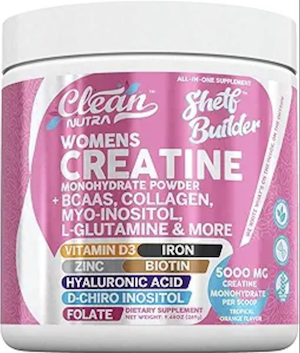 creatine supplementation helpful for improving insulin sensitivity and supporting muscle mass, which can be helpful for PCOS care.
Creating Your PCOS Nutrition Action Plan
To effectively address nutrient deficiencies:
- Work with healthcare providers to test for specific deficiencies
- Prioritize nutrient-dense foods in your daily meals
- Create a supplement strategy tailored to your needs
- Track symptoms and energy levels as you address deficiencies
- Retest periodically to assess progress
Remember that addressing nutritional deficiencies is just one component of a complete PCOS care strategy that should also include stress control, regular physical activity, and adequate sleep.
Community Comments
Add a comment