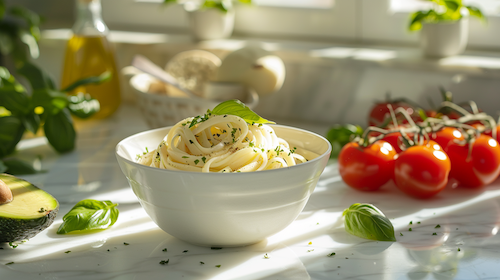
These hearts of palm pasta alternatives offer all the satisfaction of traditional noodles with a fraction of the carbs, making them perfect for managing insulin resistance and supporting hormone balance.
Understanding what palmini noodles are and how to include hearts of palm pasta into your PCOS meal plan can transform your relationship with pasta without compromising your health goals.
This complete guide covers everything from nutrition facts to cooking tips specifically designed for women managing PCOS symptoms.
What are Palmini Noodles and Why They're Perfect for PCOS
Palmini noodles are low-carb pasta alternatives made from hearts of palm - the tender, edible inner core of certain palm trees. For women with PCOS, this means enjoying spaghetti, linguine, and other pasta dishes without the 40+ gram carb load that can spike insulin and worsen symptoms.
What makes hearts of palm pasta so helpful for PCOS care is its minimal impact on blood sugar. With only 4 grams of carbs per serving compared to regular pasta's 40-45 grams, palmini allows you to keep stable insulin levels while still enjoying your favorite Italian dishes.
PCOS Benefits of Palmini Noodles
- Only 4g carbs vs 40-45g in regular pasta - ideal for insulin resistance
- Low calorie content supports healthy weight control
- Ready in 3-5 minutes - perfect for busy PCOS meal prep
- Neutral flavor absorbs PCOS-supporting herbs and spices
- Gluten-free and grain-free for reduced inflammation
Hearts of Palm Nutrition: What PCOS Women Need to Know
Hearts of palm nutrition facts are impressive for women managing PCOS. Here's the complete nutritional breakdown per 1 cup serving and why each matters for hormone balance:
- Calories: 25 (supports weight control goals)
- Total Carbs: 4g (minimal insulin impact)
- Net Carbs: 2g (excellent for blood sugar control)
- Protein: 2.5g (helps with satiety and muscle maintenance)
- Fat: 0.2g (allows you to add healthy fats)
- Fiber: 2g (supports digestive health and hormone elimination)
- Potassium: 177mg (helps reduce PCOS-related bloating)
- Folate: 27mcg (important for reproductive health)
The nutritional value of hearts of palm makes them exceptional for PCOS care. The low calorie and carb content support weight loss goals, while the fiber aids in healthy estrogen metabolism - crucial for hormone balance.
Hearts of Palm Benefits for PCOS care
Are hearts of palm good for you when managing PCOS? Absolutely. The benefits of hearts of palm extend beyond basic nutrition:
Hormone-Supporting Benefits
- Blood sugar stability: Low glycemic index prevents insulin spikes
- Weight control: Low calories support healthy weight loss
- Inflammation reduction: Anti-inflammatory properties help reduce PCOS-related inflammation
- Digestive support: Fiber content promotes healthy gut bacteria
- Nutrient absorption: Pairs well with healthy fats needed for hormone production
Are Hearts of Palm Healthy for PCOS?
Yes, hearts of palm are healthy for women with PCOS. They provide essential nutrients while supporting the diet changes necessary for symptom control.
The heart of palm benefits include supporting heart health, which is important since women with PCOS have higher risks of heart disease.
What Does Hearts of Palm Taste Like?
Many women wonder what does hearts of palm taste like before trying palmini noodles. Hearts of palm have a mild, slightly tangy flavor with a tender, fibrous texture similar to artichoke hearts. The neutral taste makes them perfect for absorbing the flavors of PCOS-supporting sauces and seasonings.
What does hearts of palm pasta taste like? When prepared as noodles, they have a tender bite that's closer to fresh pasta than dried varieties. The key is not overcooking them, which can make the texture mushy.
First-Time Tip
If you're trying palmini noodles for the first time, start with a flavorful sauce like marinara with herbs or a creamy pesto. The robust flavors help mask any first texture differences you might notice compared to traditional pasta.
How to Cook Palmini Noodles: PCOS-Friendly Methods
Learning how to cook hearts of palm pasta properly ensures the best texture and flavor for your PCOS meals. Here's the optimal method:
Basic Cooking Instructions
- Rinse thoroughly: Drain and rinse palmini noodles under cold water for 30 seconds to remove excess sodium
- Heat gently: Add to a dry pan over medium heat for 3-5 minutes
- Don't overcook: They're ready when warmed through - overcooking makes them mushy
- Add healthy fats: Toss with olive oil, coconut oil, or grass-fed butter
- Season well: Use anti-inflammatory herbs like basil, oregano, and garlic
Advanced PCOS Cooking Tips
- Dry roasting: Heat in a dry pan first to remove excess moisture
- Sauce integration: Add noodles directly to warm sauce for better flavor absorption
- Protein pairing: Always serve with high-quality protein for blood sugar stability
Best Palmini Noodles Recipes for PCOS
These palmini pasta recipes are specifically designed to support PCOS care while satisfying pasta cravings:
1. Anti-Inflammatory Palmini Pasta Primavera
This palmini noodle recipe includes PCOS-supporting vegetables:
- 1 package palmini linguine, rinsed and drained
- 2 cups mixed organic vegetables (bell peppers, zucchini, broccoli)
- 3 tablespoons extra virgin olive oil
- 3 cloves garlic, minced
- 1 teaspoon dried basil
- 1/2 teaspoon turmeric (anti-inflammatory)
- 4 oz grilled chicken or wild-caught salmon
- 2 tablespoons hemp seeds
Sauté vegetables, add palmini noodles for 3 minutes, toss with protein and seasonings.
2. Hormone-Balancing Palmini Spaghetti with Pesto
Perfect for supporting healthy hormone metabolism:
- 1 package palmini spaghetti
- 1/2 cup fresh basil pesto (made with olive oil)
- 1/4 cup pine nuts (healthy fats)
- 2 cups baby spinach (folate for hormone health)
- 4 oz grass-fed ground beef or turkey
- 1 tablespoon nutritional yeast
3. PCOS-Friendly Palmini Lasagna
Using palmini lasagna noodles for a low-carb comfort food:
- 2 packages palmini lasagna noodles
- 1 lb grass-fed ground beef
- 2 cups sugar-free marinara sauce
- 1 cup full-fat ricotta cheese
- 1 cup organic mozzarella cheese
- 2 cups spinach, sautéed
- Italian herbs and garlic
4. Creamy Palmini Angel Hair with Avocado Sauce
Palmini angel hair pasta gets a PCOS-friendly makeover:
- 1 package palmini angel hair
- 1 ripe avocado
- 1/4 cup coconut cream
- 2 tablespoons lemon juice
- 2 cloves garlic
- 1 tablespoon olive oil
- Sea salt and black pepper to taste
Palmini Noodles Reviews: What PCOS Women Are Saying
Palmini noodles reviews from women with PCOS consistently highlight several key benefits:
Positive Feedback
- Blood sugar stability: No post-meal energy crashes or cravings
- Weight control: Helps keep calorie deficits without feeling deprived
- Convenience: Quick preparation fits busy lifestyles
- Versatility: Works with various sauces and cooking methods
- Digestive comfort: No bloating or digestive issues common with wheat pasta
Hearts of Palm Pasta Reviews: Common Concerns
- Texture differences: Not identical to wheat pasta, but most adapt within a few meals
- Sodium content: Some find it salty (easily remedied by thorough rinsing)
- Price point: More expensive than regular pasta but cost-effective for PCOS care
Where to Buy Palmini Noodles
Finding palmini noodles near me has become easier as more retailers recognize the demand for low-carb alternatives:
Major Retailers
- Aldi: Palmini hearts of palm noodles Aldi locations often have competitive prices
- Trader Joe's: Trader Joe's hearts of palm pasta is a popular option
- Walmart: Wide selection including different noodle shapes
- Target: Carries palmini brand in the health food section
- Whole Foods: Premium selection with organic options
- Amazon: Convenient bulk ordering and subscription options
Online Specialty Retailers
For women with PCOS who prefer consistent meal planning, online retailers offer subscription services and bulk discounts perfect for regular palmini noodle intake.
Hearts of Palm Pasta vs Regular Pasta for PCOS
Here's how hearts of palm pasta compares to traditional pasta for PCOS care:
| Aspect | Hearts of Palm Pasta | Regular Pasta |
|---|---|---|
| Carbs per cup | 4g | 40-45g |
| Calories | 25 | 220 |
| Glycemic impact | Very low | High |
| Cooking time | 3-5 minutes | 8-12 minutes |
| PCOS benefits | Supports hormone balance | Can worsen insulin resistance |
Heart of Palm Side Effects and Considerations
While generally safe, there are some heart of palm side effects to be aware of:
Potential Concerns
- Sodium content: Can be high due to packaging - always rinse thoroughly
- Digestive adjustment: Some people may experience mild digestive changes initially
- Environmental considerations: Choose sustainably sourced options when possible
Does Heart of Palm Cause Gas?
Does heart of palm cause gas? Generally no, but some people may experience mild digestive adjustment when first introducing high-fiber foods. Start with smaller portions and gradually increase as your digestive system adapts.
PCOS Success Strategy
Replace regular pasta with palmini noodles 2-3 times per week initially. This gradual transition helps your palate adjust while allowing you to gauge how your body responds. Most women with PCOS report improved energy and reduced cravings within the first month.
Hearts of Palm Keto and PCOS
Hearts of palm keto compatibility makes them excellent for women with PCOS following ketogenic diets. With only 2g net carbs per serving, they fit easily into daily carb limits while providing satisfying pasta alternatives.
Keto-PCOS Palmini Recipes
- Keto Palmini Alfredo: Heavy cream, grass-fed butter, parmesan cheese
- PCOS Keto Carbonara: Pastured eggs, bacon, nutritional yeast
- Low-Carb Palmini Bolognese: Grass-fed ground beef, sugar-free marinara
Hearts of Palm vs Artichoke: PCOS Comparison
Hearts of palm vs artichoke - which is better for PCOS? Both are excellent choices, but hearts of palm offer advantages as a pasta substitute:
- Lower carbs: Hearts of palm have fewer carbs than artichoke hearts
- Better texture: More suitable for noodle applications
- Neutral flavor: Absorbs PCOS-supporting seasonings better
- Convenience: Ready-made noodle shapes save preparation time
PCOS Meal Planning with Palmini Noodles
Including palmini noodles into your PCOS meal planning can greatly improve symptom control while maintaining food satisfaction:
Weekly Meal Prep Strategy
- Batch cook proteins: Prepare grilled chicken, grass-fed beef, or wild-caught fish
- Pre-make sauces: Prepare PCOS-friendly sauces with anti-inflammatory ingredients
- Portion vegetables: Pre-cut vegetables for quick pasta primavera meals
- Store properly: Keep unopened packages in pantry, opened ones refrigerated for 3 days
Budget-Friendly PCOS Palmini Meals
- Simple marinara: Palmini spaghetti with homemade tomato sauce and ground turkey
- Egg carbonara: Budget-friendly protein with palmini linguine
- Veggie-packed primavera: Seasonal vegetables with palmini angel hair
Palmini Success Story: From Shark Tank to PCOS care
Palmini shark tank appearance brought national attention to this innovative pasta alternative. The company's success reflects growing demand for low-carb options, particularly among women managing conditions like PCOS who need blood sugar-friendly alternatives to traditional comfort foods.
Real PCOS Success
Women with PCOS report that including palmini noodles into their meal plans helps them stick to their dietary goals long-term. The ability to enjoy pasta dishes without blood sugar spikes makes sustainable lifestyle changes more achievable.
Frequently Asked Questions
Are palmini noodles good for PCOS and insulin resistance?
Yes, palmini noodles are excellent for PCOS and insulin resistance. With only 4 grams of carbs per serving compared to regular pasta's 40-45 grams, they have minimal impact on blood sugar levels.
This helps women with PCOS keep stable insulin while still enjoying pasta dishes, supporting better hormone balance and weight control goals.
What do palmini noodles taste like?
Palmini noodles have a mild, slightly tangy flavor with a tender texture similar to fresh pasta. They're made from hearts of palm, which have a neutral taste that absorbs sauces and seasonings well.
The texture is more tender than traditional dried pasta, making them perfect for absorbing the flavors of PCOS-supporting herbs and anti-inflammatory spices.
How do you cook palmini noodles properly?
To cook palmini noodles: 1) Rinse thoroughly under cold water for 30 seconds to remove excess sodium, 2) Heat in a dry pan over medium heat for 3-5 minutes until warmed through, 3) Don't overcook as they become mushy, 4) Add to your sauce or toss with olive oil and seasonings.
For PCOS care, always pair with protein and healthy fats for blood sugar stability.
Where can I buy palmini noodles?
Palmini noodles are available at major retailers including Aldi, Walmart, Target, Whole Foods, and Trader Joe's. You can also find them online through Amazon with subscription options for regular delivery. Many stores carry them in the health food or gluten-free sections.
For PCOS meal planning, buying in bulk online often provides the best value for consistent meal prep.
Are hearts of palm healthy for women with PCOS?
Yes, hearts of palm are very healthy for women with PCOS. They provide only 25 calories and 4g carbs per serving while offering fiber, potassium, and folate.
The low glycemic impact supports stable blood sugar levels, the fiber aids hormone metabolism. The low calorie content supports weight control - all crucial for PCOS symptom control. They're also naturally gluten-free and anti-inflammatory.
Conclusion: Making Palmini Noodles Your PCOS Pasta Solution
Palmini noodles offer women with PCOS a practical, delicious solution for enjoying pasta dishes without compromising hormone balance or weight control goals.
With their low carb content, quick preparation time, and versatility, they can become a cornerstone of your PCOS-friendly meal planning strategy.
The key to success with palmini noodles is approaching them as a new food rather than expecting them to taste exactly like wheat pasta. Focus on the benefits they provide - stable blood sugar, reduced inflammation, and the ability to enjoy comfort foods while managing PCOS symptoms effectively.
Start by including palmini noodles into one pasta dish per week, gradually building familiarity with different shapes and cooking methods. Most women with PCOS find that within a month, palmini noodles become a natural, enjoyable part of their hormone-supporting meal rotation.
Transform Your PCOS Meal Planning Today
Ready to discover how palmini noodles can revolutionize your PCOS meal planning? PCOS Meal Planner helps you create personalized meal plans featuring palmini noodles and other hormone-supporting foods.
Our service prioritizes your wellbeing by helping you eat better, feel better, and effectively manage PCOS symptoms in a friendly, trustworthy way.
Community Comments
Add a comment