Understanding Glycemic Index and Why It Matters for PCOS
The glycemic index (GI) measures how quickly foods containing carbs raise blood sugar levels. For women with PCOS, maintaining stable blood sugar is particularly important since insulin resistance is common with this condition.
Low GI foods (55 or less) cause a slower, more gradual rise in blood sugar, while high GI foods (70 or above) cause rapid spikes.
When you have PCOS, these blood sugar spikes can worsen insulin resistance, potentially leading to increased androgen production, inflammation. Worsening of symptoms like irregular periods, acne, and unwanted hair growth.
Common Mexican Foods and Their Glycemic Index
Mexican cuisine offers many options that can fit into a PCOS-friendly eating plan when you know what to look for:
Lower GI Mexican Foods (GI under 55)
- Beans (GI 30-40): Black beans, pinto beans, and refried beans (without added sugars) are excellent low-GI options rich in fiber and protein.
- Corn tortillas (GI 50): Traditional corn tortillas have a lower GI than flour varieties.
- Avocado/Guacamole (GI 0): Contains healthy fats with virtually no impact on blood sugar.
- Nopal cactus (GI low): A traditional Mexican vegetable with blood sugar-lowering properties.
- Tomato-based salsas (GI low): Fresh salsas without added sugars are excellent low-GI condiments.
Medium GI Mexican Foods (GI 56-69)
- Mexican rice (GI 60-65): Traditional rice prepared with tomatoes and spices.
- Corn (GI 60): Fresh corn or elote has a moderate GI.
- Soft corn tortilla chips (GI 60-65): Less processed varieties have a moderate impact.
Higher GI Mexican Foods (GI 70+)
- Flour tortillas (GI 70+): Especially commercial varieties made with refined flour.
- Hard taco shells (GI 70+): The processing and frying increase the GI.
- Crispy tortilla chips (GI 70-75): Especially commercial varieties.
- Mexican desserts (GI 70+): Sopapillas, churros, and other sugar-based treats.
PCOS-Friendly Mexican Food Strategies
You can still enjoy Mexican cuisine while managing your PCOS symptoms with these practical approaches:
Smart Swaps and Changes
- Choose corn tortillas instead of flour for tacos and enchiladas
- Opt for bean-based dishes over rice-heavy options
- Load up on non-starchy vegetables like peppers, onions, and leafy greens
- Include protein with every meal (chicken, fish, beans, or grass-fed beef)
- Use full-fat dairy like authentic Mexican queso fresco instead of low-fat options (the fat helps slow carb absorption)
Balancing Your Plate for Lower Glycemic Impact
How you combine foods matters as much as what you choose. Create balanced Mexican meals by:
- Filling half your plate with non-starchy vegetables
- Adding healthy fats like avocado or olive oil
- Including quality protein with every meal
- Limiting portion sizes of higher GI foods like rice and tortillas
- Adding acid from lime juice which may help lower the glycemic response of a meal
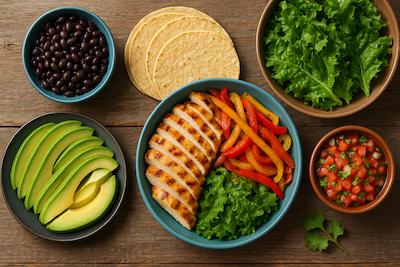
For example, instead of a large burrito with a flour tortilla filled mostly with rice, opt for a taco bowl with a small portion of beans and rice, topped with grilled chicken, abundant vegetables, guacamole, and salsa.
Low-GI Tortilla Alternatives for PCOS
If you're particularly sensitive to blood sugar fluctuations, consider these alternatives:
- Lettuce wraps using large romaine or butter lettuce leaves
- Jicama "tortillas" (thin-sliced jicama rounds)
- Collard green wraps (blanched to soften)
- Almond flour or cassava flour tortillas (check labels for added sugars)
- Homemade flaxseed tortillas
PCOS-Friendly Mexican Recipes
These low GI Mexican recipes are designed to be delicious while supporting your PCOS care goals:
Chicken and Black Bean Bowl
A simple yet satisfying meal with grilled chicken, a small portion of black beans, abundant peppers and onions, fresh greens, avocado, and salsa. Skip the rice or use a small portion of cauliflower rice for an even lower GI impact.
PCOS-Friendly Fish Tacos
Grilled fish served on small corn tortillas with cabbage slaw, avocado, and a lime-based sauce instead of higher-sugar condiments. The protein and healthy fats help balance the glycemic load of the tortillas.
Mexican Cauliflower Rice Bowl
Replace traditional rice with riced cauliflower sautéed with tomatoes, onions, and Mexican spices for a low-GI base. Top with your favorite proteins and vegetables for a complete meal.
Eating Out at Mexican Restaurants with PCOS
You can still enjoy dining out by making informed choices:
- Request corn tortillas instead of flour when available
- Choose fajitas and load up on the vegetables
- Ask for guacamole instead of sour cream
- Skip the chips, or limit to a small portion
- Choose bean-based dishes over rice-heavy options
- Beware of hidden sugars in sauces and marinades
- Consider sharing a main dish and ordering extra vegetables
Conclusion
Understanding the glycemic index of Mexican food allows you to continue enjoying these flavorful dishes while managing your PCOS.
By making strategic choices and focusing on beans, vegetables, healthy fats. Quality proteins, you can create balanced meals that support stable blood sugar and help minimize PCOS symptoms.
Remember that individual responses to foods vary, so pay attention to how your body responds and adjust accordingly. With these guidelines, you can savor the vibrant flavors of Mexican cuisine while supporting your health goals.
Frequently Asked Questions
What makes beans a good choice for women with PCOS?
Beans have a low glycemic index (often 30-40) making them an excellent choice for women with PCOS. The high fiber content in beans slows digestion and helps prevent blood sugar spikes. They're also rich in protein and minerals like magnesium and chromium that support insulin sensitivity.
Research shows that consuming beans regularly may help improve insulin resistance, a common issue in PCOS. Also, the combination of protein and fiber helps promote satiety, which can support weight control goals that often accompany PCOS treatment plans.
Try including black beans, pinto beans, or refried beans (without added sugars) into your Mexican-inspired meals. Learn more about low glycemic foods for PCOS.
Are corn or flour tortillas better for managing PCOS?
Corn tortillas are generally a better choice for women with PCOS compared to flour tortillas. Traditional corn tortillas have a glycemic index around 50, while flour tortillas often measure above 70.
This significant difference means corn tortillas cause a more gradual rise in blood sugar, which is helpful for managing insulin resistance linked to PCOS. Corn tortillas also tend to be smaller, naturally portion-controlling carb intake.
Also, they contain more fiber and fewer additives than most commercial flour tortillas. For the most PCOS-friendly option, look for authentic, freshly made corn tortillas with minimal ingredients or try making your own at home.
If you're extremely sensitive to blood sugar fluctuations, consider alternative wraps like lettuce or collard green leaves.
Can I still eat Mexican food with PCOS?
Absolutely! You can enjoy Mexican cuisine while managing PCOS by making informed choices about the glycemic index of your selections. Focus on dishes built around beans, lean proteins, non-starchy vegetables, and healthy fats like avocado.
Choose corn tortillas over flour when possible, and consider limiting or substituting higher-GI components like white rice or tortilla chips. Portion control is also key—you might enjoy a small portion of a favorite higher-GI food alongside plenty of lower-GI options.
Remember that the way you combine foods matters too; adding protein and healthy fats to carbs helps moderate their impact on blood sugar.
With these strategies, Mexican food can be not just compatible with PCOS care but actually supportive of your health goals due to ingredients like beans, avocados, and vegetables. For more guidance, check out our complete guide to PCOS-friendly Mexican food.
What are the lowest GI Mexican dishes I can order at restaurants?
When dining out at Mexican restaurants, several lower glycemic index options can support your PCOS care. Fajitas are an excellent choice—they focus on protein (chicken, beef, or shrimp) and vegetables (peppers and onions) with minimal higher-GI components.
Request corn tortillas instead of flour, and consider using just one or two. Ceviche is another great option, featuring seafood marinated in citrus juices with vegetables and minimal carbs.
Grilled fish or chicken with vegetables is available at most Mexican restaurants—ask for it without rice or with extra vegetables instead. Guacamole with vegetables for dipping (instead of chips) makes a satisfying appetizer with minimal glycemic impact.
Taco salads can be good choices if you skip the fried tortilla bowl and limit or omit rice. When ordering, don't hesitate to make special requests like substituting extra vegetables for rice or asking for sauces on the side to control hidden sugars.
For more restaurant strategies, explore our complete guide to navigating Mexican restaurants with PCOS.
How can I make my favorite Mexican recipes more PCOS-friendly?
Transforming traditional Mexican recipes to be more PCOS-friendly is simple with a few strategic changes. Start by substituting corn tortillas for flour or experimenting with alternatives like lettuce wraps or cassava tortillas.
Replace white rice with cauliflower rice seasoned with Mexican spices for authentic flavor without the glycemic impact. Increase the ratio of non-starchy vegetables in dishes like fajitas, enchiladas, and tacos—try adding zucchini, bell peppers, and spinach.
For nachos, use black bean chips or thin-sliced jicama as the base instead of corn chips. Focus on protein-centered dishes like grilled meats with vegetable sides rather than carb-heavy options.
Use avocado or Greek yogurt as toppings instead of sour cream for better nutritional value and blood sugar management. When making salsas and sauces, avoid added sugars and rely on herbs and spices for flavor.
These simple swaps keep the vibrant, satisfying nature of Mexican cuisine while creating meals that better support hormonal balance and insulin sensitivity. Try our anti-inflammatory recipes to complement your Mexican meals.
Frequently Asked Questions About Mexican Food and PCOS
What makes beans a good choice for women with PCOS?
Beans have a low glycemic index (often 30-40) making them an excellent choice for women with PCOS. The high fiber content in beans slows digestion and helps prevent blood sugar spikes. They're also rich in protein and minerals like magnesium and chromium that support insulin sensitivity.
Research shows that consuming beans regularly may help improve insulin resistance, a common issue in PCOS. Also, the combination of protein and fiber helps promote satiety, which can support weight control goals that often accompany PCOS treatment plans.
Try including black beans, pinto beans, or refried beans (without added sugars) into your Mexican-inspired meals. Learn more about low glycemic foods for PCOS.
Are corn or flour tortillas better for managing PCOS?
Corn tortillas are generally a better choice for women with PCOS compared to flour tortillas. Traditional corn tortillas have a glycemic index around 50, while flour tortillas often measure above 70.
This significant difference means corn tortillas cause a more gradual rise in blood sugar, which is helpful for managing insulin resistance linked to PCOS. Corn tortillas also tend to be smaller, naturally portion-controlling carb intake.
Also, they contain more fiber and fewer additives than most commercial flour tortillas. For the most PCOS-friendly option, look for authentic, freshly made corn tortillas with minimal ingredients or try making your own at home.
If you're extremely sensitive to blood sugar fluctuations, consider alternative wraps like lettuce or collard green leaves.
Can I still eat Mexican food with PCOS?
Absolutely! You can enjoy Mexican cuisine while managing PCOS by making informed choices about the glycemic index of your selections. Focus on dishes built around beans, lean proteins, non-starchy vegetables, and healthy fats like avocado.
Choose corn tortillas over flour when possible, and consider limiting or substituting higher-GI components like white rice or tortilla chips. Portion control is also key—you might enjoy a small portion of a favorite higher-GI food alongside plenty of lower-GI options.
Remember that the way you combine foods matters too; adding protein and healthy fats to carbs helps moderate their impact on blood sugar.
With these strategies, Mexican food can be not just compatible with PCOS care but actually supportive of your health goals due to ingredients like beans, avocados, and vegetables. For more guidance, check out our complete guide to PCOS-friendly Mexican food.
What are the lowest GI Mexican dishes I can order at restaurants?
When dining out at Mexican restaurants, several lower glycemic index options can support your PCOS care. Fajitas are an excellent choice—they focus on protein (chicken, beef, or shrimp) and vegetables (peppers and onions) with minimal higher-GI components.
Request corn tortillas instead of flour, and consider using just one or two. Ceviche is another great option, featuring seafood marinated in citrus juices with vegetables and minimal carbs.
Grilled fish or chicken with vegetables is available at most Mexican restaurants—ask for it without rice or with extra vegetables instead. Guacamole with vegetables for dipping (instead of chips) makes a satisfying appetizer with minimal glycemic impact.
Taco salads can be good choices if you skip the fried tortilla bowl and limit or omit rice. When ordering, don't hesitate to make special requests like substituting extra vegetables for rice or asking for sauces on the side to control hidden sugars.
For more restaurant strategies, explore our complete guide to navigating Mexican restaurants with PCOS.
How can I make my favorite Mexican recipes more PCOS-friendly?
Transforming traditional Mexican recipes to be more PCOS-friendly is simple with a few strategic changes. Start by substituting corn tortillas for flour or experimenting with alternatives like lettuce wraps or cassava tortillas.
Replace white rice with cauliflower rice seasoned with Mexican spices for authentic flavor without the glycemic impact. Increase the ratio of non-starchy vegetables in dishes like fajitas, enchiladas, and tacos—try adding zucchini, bell peppers, and spinach.
For nachos, use black bean chips or thin-sliced jicama as the base instead of corn chips. Focus on protein-centered dishes like grilled meats with vegetable sides rather than carb-heavy options.
Use avocado or Greek yogurt as toppings instead of sour cream for better nutritional value and blood sugar management. When making salsas and sauces, avoid added sugars and rely on herbs and spices for flavor.
These simple swaps keep the vibrant, satisfying nature of Mexican cuisine while creating meals that better support hormonal balance and insulin sensitivity. Try our anti-inflammatory recipes to complement your Mexican meals.
Community Comments
Add a comment