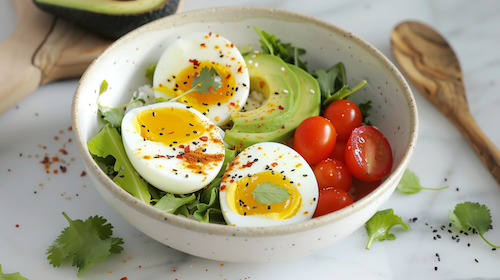
Are Eggs Good for PCOS? The Quick Answer
Yes, eggs can be helpful for many women with PCOS when consumed as part of a balanced diet. They provide high-quality protein, essential nutrients, and can help with blood sugar management—all important factors for PCOS symptom control.
Nutritional Profile of Eggs for PCOS care
Eggs pack impressive nutrition into a small package, offering several benefits for women managing PCOS:
- Complete protein source: One large egg contains about 6 grams of protein, which helps stabilize blood sugar and increase satiety—crucial for weight control with PCOS.
- Rich in choline: Eggs are among the best sources of choline, a nutrient that supports liver function and may help with metabolic health—often compromised in PCOS.
- Contains vitamin D: Many women with PCOS have vitamin D deficiency, and egg yolks provide this important hormone-regulating nutrient.
- Provides selenium and iodine: These minerals support thyroid function, which often interacts with PCOS symptoms.
How Eggs May Help PCOS Symptoms
Blood Sugar Regulation and Insulin Sensitivity
Protein for PCOS is essential, as it helps manage blood sugar levels. The protein in eggs has a minimal impact on blood glucose and can improve insulin sensitivity when replacing high-carb breakfast options.
This is particularly relevant for women with PCOS, as about 70% experience insulin resistance.
Egg Yolks and Hormonal Balance
Contrary to older nutritional advice that suggested avoiding yolks, egg yolks contain valuable nutrients for hormonal health. The cholesterol in egg yolks serves as a precursor to hormone production, and the fat-soluble vitamins help with hormone regulation.
While egg yolks hormones aren't directly transferable to humans, their nutritional components support your body's own hormone production.
Satiety and Weight control
The protein and fat combination in whole eggs promotes fullness, potentially aiding weight control efforts—a common challenge with PCOS.
Research shows that eating eggs for breakfast may reduce calorie intake throughout the day compared to carb-heavy meals, which can be helpful for women with PCOS trying to keep a healthy weight.
Best Ways to Include Eggs in a PCOS Diet
How you prepare and include eggs into your PCOS and eggs dietary approach matters:
- Pair with fiber: Combine eggs with vegetables like bell peppers or tomatoes to enhance blood sugar control and increase nutrient diversity.
- Choose quality: When possible, opt for pasture-raised eggs, which may contain higher omega-3 fatty acids to help combat inflammation linked to PCOS.
- Preparation matters: Boiled, poached, or scrambled with minimal added oils are generally healthier preparation methods than fried eggs with bacon or processed meats.
- Breakfast shift: Replace high-carb breakfast foods with egg-based meals to start your day with better blood sugar control.
Potential Concerns About Eggs for PCOS
While eggs offer benefits, some considerations exist:
- Dietary cholesterol: Current research suggests dietary cholesterol has minimal impact on blood cholesterol levels for most people, but individual responses vary.
- Allergies and sensitivities: Some women may have egg allergies or sensitivities that cause inflammation, potentially worsening PCOS symptoms.
- Quality and sourcing: Conventional eggs may contain lower nutrient levels than pasture-raised varieties.
Practical Egg-Based Meal Ideas for PCOS
Looking for ways to include eggs into your PCOS-friendly diet? Try these simple meal ideas:
- Vegetable-packed breakfast frittata with sweet potatoes and spinach
- Hard-boiled eggs added to a salad with quinoa and mixed greens
- Protein-rich egg and avocado toast on multigrain bread
- Try our PCOS Support Collagen Protein Pancakes with eggs as a key ingredient
Who Should Consider Limiting Eggs?
While eggs can be helpful for many women with PCOS, individual health circumstances matter:
- If you have confirmed high cholesterol or cardiovascular issues, consult your doctor about appropriate egg intake.
- Those with egg allergies or sensitivities should obviously avoid eggs.
- If you follow a vegan diet, explore other protein sources like legumes and tofu for similar nutritional benefits.
Conclusion: Eggs as Part of a PCOS Care Strategy
Eggs can be a valuable addition to most PCOS diets due to their protein content, nutrient density, and blood sugar regulation benefits.
As with any dietary choice, the key is personalization and balance—eggs alone won't treat PCOS. As part of a thoughtful eating plan, they can support your overall management strategy.
Remember that PCOS care extends beyond individual foods to include regular physical activity, stress control, adequate sleep, and appropriate medical care. Work with healthcare providers to develop a complete approach that addresses your specific PCOS profile and health needs.
PCOS Egg Quick Guide
Best choices: Pasture-raised whole eggs
Recommended amount: Generally, up to 1-2 eggs daily for most women with PCOS
Best paired with: Non-starchy vegetables, healthy fats, and fiber-rich foods
Frequently Asked Questions About Eggs and PCOS
Are egg whites or whole eggs better for PCOS?
While egg whites provide lean protein, whole eggs are generally better for PCOS as the yolks contain essential nutrients like vitamin D, choline. Healthy fats that support hormone production and regulation.
The combination of protein and fat in whole eggs also helps with blood sugar stability and satiety. Unless specifically advised by your doctor to limit egg yolks, including the entire egg offers more complete nutritional benefits for PCOS care.
How many eggs can someone with PCOS eat per day?
For most women with PCOS without specific cholesterol concerns, consuming 1-2 eggs daily is generally considered appropriate as part of a balanced diet. Some research indicates that up to 7 eggs weekly has no negative impact on heart health for most people.
However, individual needs vary based on overall diet composition, activity level, and specific health conditions. If you're considering greatly increasing your egg intake, consulting with a registered dietitian familiar with PCOS is recommended for personalized guidance.
Can eggs affect testosterone levels in women with PCOS?
There's no direct evidence that eggs greatly impact testosterone levels in women with PCOS. However, the protein and nutrients in eggs may indirectly support hormonal balance by helping manage insulin resistance, which is closely linked to androgen excess in PCOS.
The cholesterol in eggs serves as a precursor to hormone production, potentially supporting overall hormonal health when consumed in moderation.
Maintaining a balanced diet that includes quality protein sources like eggs, along with plenty of anti-inflammatory foods, generally offers the best approach for managing PCOS-related hormonal imbalances.
Is the cholesterol in eggs harmful for women with PCOS?
Current research suggests that dietary cholesterol, including that from eggs, has minimal impact on blood cholesterol levels for most healthy people. For women with PCOS, the cholesterol in eggs may actually be helpful, as it serves as a precursor for hormone production.
However, individual responses to dietary cholesterol vary, and those with existing heart disease or familial hypercholesterolemia should consult their healthcare providers.
Most recent dietary guidelines no longer place strict limits on dietary cholesterol for the general population, focusing instead on overall dietary patterns and limiting saturated and trans fats.
What's the best way to prepare eggs for maximum PCOS benefits?
For maximum PCOS benefits, prepare eggs using methods that add minimal unhealthy fats and preserve nutrient content. Boiled, poached, or soft-scrambled eggs with olive oil are excellent options. Avoid excessive butter or cooking sprays with additives.
Pair eggs with fiber-rich vegetables like asparagus or mushrooms to slow digestion and improve blood sugar response. For added anti-inflammatory benefits, include herbs and spices like turmeric or herbs.
This combination creates a PCOS-friendly meal that supports hormone balance and metabolic health.
Community Comments
Add a comment